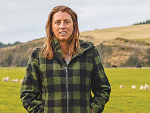
Red Meat Farmers Welcome Labour's Emissions Pricing Pledge
Red meat farmers are welcoming Labour’s plan to review the Emissions Trading Scheme and not to campaign on pricing agricultural emissions.




 increase font size
 Farmers have been given two emissions pricing framework options.
OPINION: Farmers will spend their summer deciding what agricultural emissions pricing framework their sector 'leaders' will take to government early next year.
For many farmers this will be Hobson's Choice; akin to asking them which foot they want shot off, the left or the right - particularly when most of their overseas competitors are not paying for on farm emissions.
According to the self-appointed Primary Sector Climae Action Partnership - a group made up of Beef+Lamb New Zealand, DairyNZ, Federated Farmers and government and iwi representatives - farmers have been given two options to choose from or face being dumped into the NZ Emissions Trading Scheme (NZ ETS).
The two options are either a farm-level levy or a processor-level levy. The former will see emissions calculated using farm-specific data, so an individual farm will pay a price for its net emissions. This option would reward small woodlots and riparian planting - on top of that currently included in the ETS - to offset some of the cost of the emissions levy.
The second option would calculate emissions for meat, milk, and fertiliser at processor level, with the processor charging farmers based on the quantity of product supplied, or fertiliser purchased.
Both options take a split-gas approach, acknowledging that short-lived gases like methane have a different warming impact to long-lived gases like carbon dioxide, and the price for methane will be separate and delinked from the carbon price.
Al this stems from the ridiculously named He Waka Eke Noa (HWEN) programme - a moniker that may please our politically-correct Government, but something your average farmer has little knowledge of what it actually is. That's a pity as HWEN is a good idea.
Unfortunately, the over-riding desire of the current farming sector leadership to curry favour with the current Government means they blew any practicality and pragmatism, or chance of having HWEN widely understood, in an attempt to be seen as culturally inclusive. Perhaps that explains Feds' less than enthusiastic endorsement like Groundswell has suddenly appeared on the scene.
Farmers will have the opportunity to give their feedback in February when Beef+Lamb, DairyNZ and Federated Farmers undertake a nationwide roadshow. They should take the time between now and then to study the options, propose changes and let their farming leaders know what they really think.
Red meat farmers are welcoming Labour’s plan to review the Emissions Trading Scheme and not to campaign on pricing agricultural emissions.
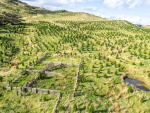
The New Zealand Institute of Forestry (NZIF) says unnecessary changes to New Zealand’s Emissions Trading Scheme (NZ ETS) will seriously erode investor confidence and result in significant reductions in forest planting rates.
New Zealand's Emissions Trading Scheme (NZ ETS) encourages afforestation while not achieving climate goals, says a new report released by the Parliamentary Commissioner for the Environment, Simon Upton.
Conversions of sheep and beef farms to forestry have slowed, however new research from Beef + Lamb New Zealand (B+LNZ) suggests land of value for food production remains at risk.
The Climate Change Commission has recommended maintaining the current New Zealand Emissions Trading System (NZ ETS) settings but warns of a potential unit shortfall as early as 2028.


Alliance is calling for final applications for its 2027 Graduate Programme, with applications closing on Sunday 25 October.
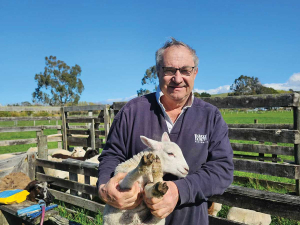
Decades piloting planes has ensured vet and farmer David Hayes is focused on safety. So, after a serious accident while welding on farm, he is sharing his experience so others can learn from it.
Canterbury milk processor, Synlait Milk has confirmed Leon Fung as its chief executive officer.
OPINION: Making it easier to collect rainwater and use it to grow crops and livestock is a no brainer.
As part of its Election 2026 coverage, Rural News asked political parties how they would help pull the arable sector out of the doldrums. Here's what they said:
Farmers are being encouraged to rethink how they manage waste on farm with the launch of ruralwastesorted.co.nz, a new website bringing together practical tips, real farmer experiences and resources.


OPINION: The same mainstream media muppets that brought you Jacindamania in 2017 have been flat out pimping for the Opportunities…
OPINION: Your old mate reckons the atrocious way farmers in the UK are treated by their lords and masters in…




