Combi Clamp prides itself for being well known for offering sheep and cattle equipment solutions that are easy to operate and safer for users, while also ensuring an animal’s wellbeing and comfort.
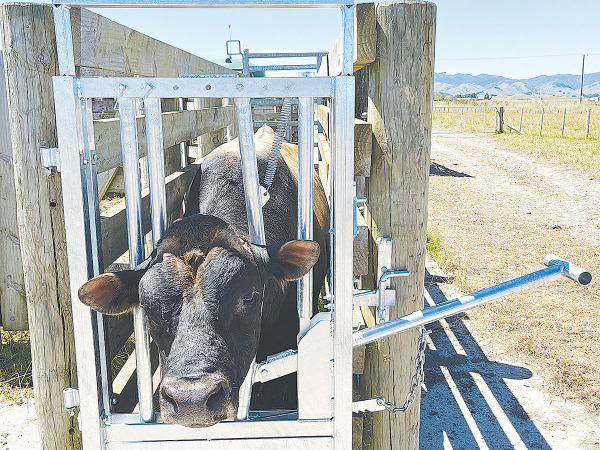
In their range of cattle crushes, ongoing development has seen the removal of the two-handed release levers of the auto head yoke, replaced with single lever action, in both weighing and catching modes.
Combi Clamp suggests this is a game changer that simplifies any operation, while increasing efficiency in the yards, especially for any new owner of a cattle crush. The new release mechanism is coupled with the existing auto head yoke that automatically catches any cattle beast as it tries to move through the crush.
“This enables the operator to work the auto head yoke from the rear of the Cattle Crush, with one hand, while the other is used to control the entry sliding gate, so streamlining the process and reducing the time spent in the yards, to free up time to do other things” said Wayne Coffey, a farmer, designer and owner of Combi Clamp.
The company has also been working on designing a traditional style head bail system, with a Combi Clamp twist.
Manually operated and designed to prioritise the user’s and animals’ comfort and wellbeing, the company wanted a fail-safe way to quickly release an animal that might have gone down in the crush.
If an animal should go down the bail can be opened instantly at the bottom, ensuring there are no restrictions to air or blood flows. The bail is non-handed, so it can be set up to work in either way direction, while also being adjustable to suit differing sized animals.
www.combiclamp.co.nz