
UV-C Treatment: Viticulture game changer
A system that combines UV-C light for disinfection could provide chemical free treatment of plant pathogens and diseases such as powdery mildew and botrytis on berry, vine and tree crops.




 increase font size
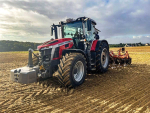
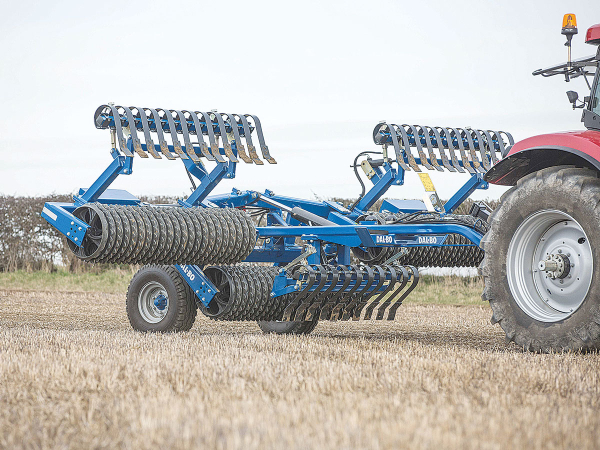 The Dalbo MaxiRoll is offered in working widths from 4.5 to 9.5 metres.
Rollers have had a place on the farm for more than 200 years.
Initially used for ‘flattening’ uneven ground, in the last century they’ve been used for pre- and post-drilling consolidation to ensure good seed to soil contact and reduced moisture loss.
Danish company Dalbo, formed in the mid-1960s, has formed an excellent reputation, not least for its extensive range of conventional and system roller offerings.
Imported by Cochranes of Canterbury and distributed throughout the North Island by Giltrap Agrizone, the Dalbo MaxiRoll is offered in working widths from 4.5 to 9.5 metres, although the focus is on the 530 and 630 models.
Described by the manufacturer as a 3-point system, the roller is constructed around a heavyduty 150mm by 100mm steel frame carried on 400-60R 15.5 tyres. Each of the roller ‘gangs’ is suspended under the frame with the patented DuoFlex-system, ensuring that each roller section works independently, allowed by slots in the hydraulic cylinder attachment points to deliver optimal contact across the full working width. Meanwhile, the hydraulic cylinders, working in conjunction with heavy-duty spring assemblies create downward pressure and weight transfer of at least 500kg per metre, while also allowing the rollers to closely follow changing round contours.
Taking a closer look, the roller sections are made up of 55cm, patented Snowflake rings assembled between alternating breaker rings. The Snowflake name is derived from the integral spoke design within each ring, said to be like that of a snowflake crystal, with the radial spokes lining up with the high points of the roller circumference.
The design is said to be six times stronger than earlier designs of Cambridge rings, meaning that Snowflake rings are covered by a six-year warranty.
Elsewhere in the construction, roller assemblies are carried on 60mm diameter, chrome/ molybdenum steel axles, supported with by heavyduty greaseable bearings. The option of rubber, suspended bearings are said to give a cushioning effect and help prolong the working life of the assemblies.
The system configuration of the rollers sees the fitment of a hydraulically adjusted cracker board ahead of the rollers, featuring 80mm wide spring steel legs fitted with 100 x 12mm curved blades or clod crackers, to break clods and level the surface ahead of the rollers. The working angle of the tines is adjusted via turnbuckles, while in operation depth is controlled hydraulically, via a parallel swinging link suspension set-up.
Offering a transport width of only 2.5m, the Models 530 and 630 weigh in at 3205 and 4050kg respectively, when fitted with Snowflake rings (109 and 129 pieces), meaning a horsepower requirement of 90 or 100hp.
Standard equipment includes a parking jack, a road lighting kit, while operation requires one double and one single acting remote for the base machine and an additional remote for the cracker boards.
Visit www.gaz.co.nz
A system that combines UV-C light for disinfection could provide chemical free treatment of plant pathogens and diseases such as powdery mildew and botrytis on berry, vine and tree crops.
OPINION: With the 2024 edition of National Fieldays behind us, it would be fair to say that although the mood was positive – a plus, given the negative sentiment across the rural sector – you must wonder if this showcase format’s days are numbered.
JFC Agri, the family-owned manufacturer of agricultural products from Galway, Ireland, used Fieldays to launch its innovative Evolution range of automatic calf feeders, including the state-of-the-art Evolution S4 Automatic Unit.
What do you want from your pasture? That's the question top Massey University scientists were asking farmers at the 'Science for Farmers' site at Fieldays recently.
Growing up on a South Waikato sheep and beef farm, Penny Ranger has firsthand experience on the day-to-day challenges.


Alliance is calling for final applications for its 2027 Graduate Programme, with applications closing on Sunday 25 October.
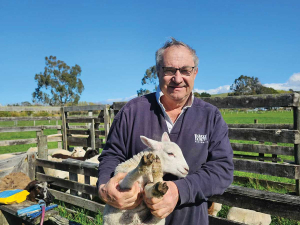
Decades piloting planes has ensured vet and farmer David Hayes is focused on safety. So, after a serious accident while welding on farm, he is sharing his experience so others can learn from it.
Canterbury milk processor, Synlait Milk has confirmed Leon Fung as its chief executive officer.
OPINION: Making it easier to collect rainwater and use it to grow crops and livestock is a no brainer.
As part of its Election 2026 coverage, Rural News asked political parties how they would help pull the arable sector out of the doldrums. Here's what they said:
Farmers are being encouraged to rethink how they manage waste on farm with the launch of ruralwastesorted.co.nz, a new website bringing together practical tips, real farmer experiences and resources.



OPINION: The same mainstream media muppets that brought you Jacindamania in 2017 have been flat out pimping for the Opportunities…
OPINION: Your old mate reckons the atrocious way farmers in the UK are treated by their lords and masters in…




