Fieldays hold out the begging bowl
OPINION: When someone says “we don’t want a handout, we need a hand up” it usually means they have both palms out and they want your money.




 increase font size
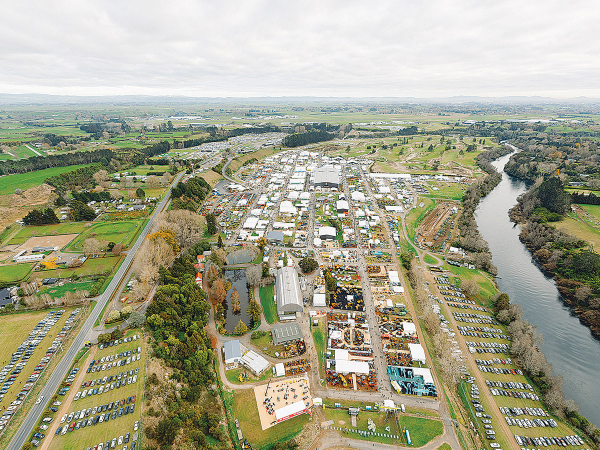
OPINION: With the 2024 edition of National Fieldays behind us, it would be fair to say that although the mood was positive – a plus, given the negative sentiment across the rural sector – you must wonder if this showcase format’s days are numbered.
Numbers through the gate tumbled to around 106,000 people, suggesting that money is tight and the fact that entry for a family of four, plus drinks and snacks throughout the day, could easily run to two hundy before you trudge back to the car.
Whilst Fieldays offers plenty of opportunity for the ‘suits’ from the big cities to don their brand new Red Bands to network and speak with real country people, you really must wonder if the four days are any good for business.
Of course, many of the smaller sites will have done well with the likes of gumboots, waterproof clothing and power tools, so are sure to give it a thumbs up. Moving to sites selling large capital items such as tractors or harvesters, then surely it’s just an oversized, costly circus?
Back a decade or more, Fieldays may have been the place to grab a special deal and save a few dollars. Given the current state of the economy, with tractor sales down significantly and a report last week telling us that the new car market was back by more than 50% to a record breaking low, it would be safe to assume that a “special deal” would be available at any tractor dealership or car yard, at any time between 8.30am and 5.00pm, on any day of the week.
Some Fieldays stalwarts will draw your attention to a post-event edition of the Sunday morning Q&A programme where a gushing Auckland journo interviewed a representative of a farm machinery brand, who claimed to have sold a multimillion- dollar, self-propelled forage harvester “at the event”. Really, if you believe that someone walked onto the site after his coffee and bacon sarnie and bought a $1.5 million-plus machine because it took his fancy, you will believe Bill Clinton who famously said, “I did not have sex with that woman!”
Of course, that same person might have made a ceremonial handshake on the day, but the truth is, behind the scenes there had been weeks, if not months, of negotiations, trade-in valuations, pricing haggles and finance quotes. The same applies to tractors, where the days of $1000 per horsepower are long gone – with current pricing closer to double that number.
Many site holders will be looking at postevent statistics, focusing on what it cost to be there, and probably realising that the number is a disproportionate amount of their annual marketing budget. Then realising that there are another 236 working days in the year when they still need to be flying the company flag.
During the original Covid-19 lockdown in 2020, Fieldays took a rain check, yet the tractor and farm machinery sales rose by more than 30%, so go figure how influential the Fieldays event really is in agri-commerce. The writing is likely on the wall for the true commercial side of the four days. Yup, fast moving goods will continue being carried back to the car, but farmers and contractors are changing the way they look at capital purchases, looking to see machines in the flesh on their own properties or at specialised working events. Watch this space.
OPINION: When someone says “we don’t want a handout, we need a hand up” it usually means they have both palms out and they want your money.

A system that combines UV-C light for disinfection could provide chemical free treatment of plant pathogens and diseases such as powdery mildew and botrytis on berry, vine and tree crops.
JFC Agri, the family-owned manufacturer of agricultural products from Galway, Ireland, used Fieldays to launch its innovative Evolution range of automatic calf feeders, including the state-of-the-art Evolution S4 Automatic Unit.
What do you want from your pasture? That's the question top Massey University scientists were asking farmers at the 'Science for Farmers' site at Fieldays recently.
Growing up on a South Waikato sheep and beef farm, Penny Ranger has firsthand experience on the day-to-day challenges.


Fonterra shareholders can begin voting on Tuesday 20 October in the 2026 Board of Directors’ election, a Co-operative Council election in one Ward, and seven Annual Meeting resolutions.
National’s pledge to introduce 19 new national standards shows the party is serious about getting Wellington out of farming, Federated Farmers says.
The National Party’s policies to make it easier to grow fresh vegetables, secure reliable water and energy and simplify farm planning are practical changes that will give growers the confidence to invest, according to Horticulture New Zealand (HortNZ).
Fonterra Co-operative Group chief financial officer Andrew Murray has resigned to take up a role outside the dairy giant.
A major move is about to get underway to improve the quality and viability of dairy beef and cattle in NZ.
Veterinarians say changes to the code of welfare for dairy cattle provides a positive foundation for improved cattle welfare across the country.




OPINION: The same mainstream media muppets that brought you Jacindamania in 2017 have been flat out pimping for the Opportunities…
OPINION: Your old mate reckons the atrocious way farmers in the UK are treated by their lords and masters in…




