Case IH Wins EIMA Award for Optum Suspension System
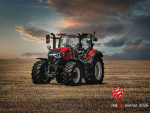
With the biannual Italian EIMA machinery Expo less than a month away, Case IH has taken out a Technical Evolution award for the Advanced Vehicle Suspension system available on its Optum 360–440 series tractors.
The Advanced Vehicle Suspension system, available on Optum 360, 390, and 440 models, responds to changing conditions, automatically adjusting how the suspension reacts to absorbs shocks and controlling vehicle movement.
In operation, sensors monitor the vibrations transmitted from the tractor chassis to the operator cabin, allowing the system to adjust suspension damping in real time. The control system incorporates key priorities, such as comfort at lower speeds and stability as speed increases, while also reacting to factors such as lower tyre pressures, where the tyres absorb more of the initial shock.
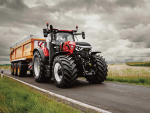
Case IH said as suspension requirements change throughout the working day, as tractors move between the paddock and road transport, the system manages suspension response in the background as tasks, speeds and conditions change, leaving the operator without the need to make manual adjustments.
Richard Hollins, Optum series tractors global product manager, said: “Pioneering technology must earn its place in the working day. Farmers and contractors will judge an investment by what it delivers, including manageable ownership costs, dependable up-time and the versatility to tackle different jobs. With AVS, we are putting intelligent control to work for comfort and stability, without giving the operator another setting to manage.”
Organised by FederUnacoma, the Italian Agricultural Machinery Manufacturers Federation, the contest has been part of EIMA since 1986, with the Technical Evolution distinction awarded to products that introduce original improvements to solutions already manufactured or patented.
www.caseih.com