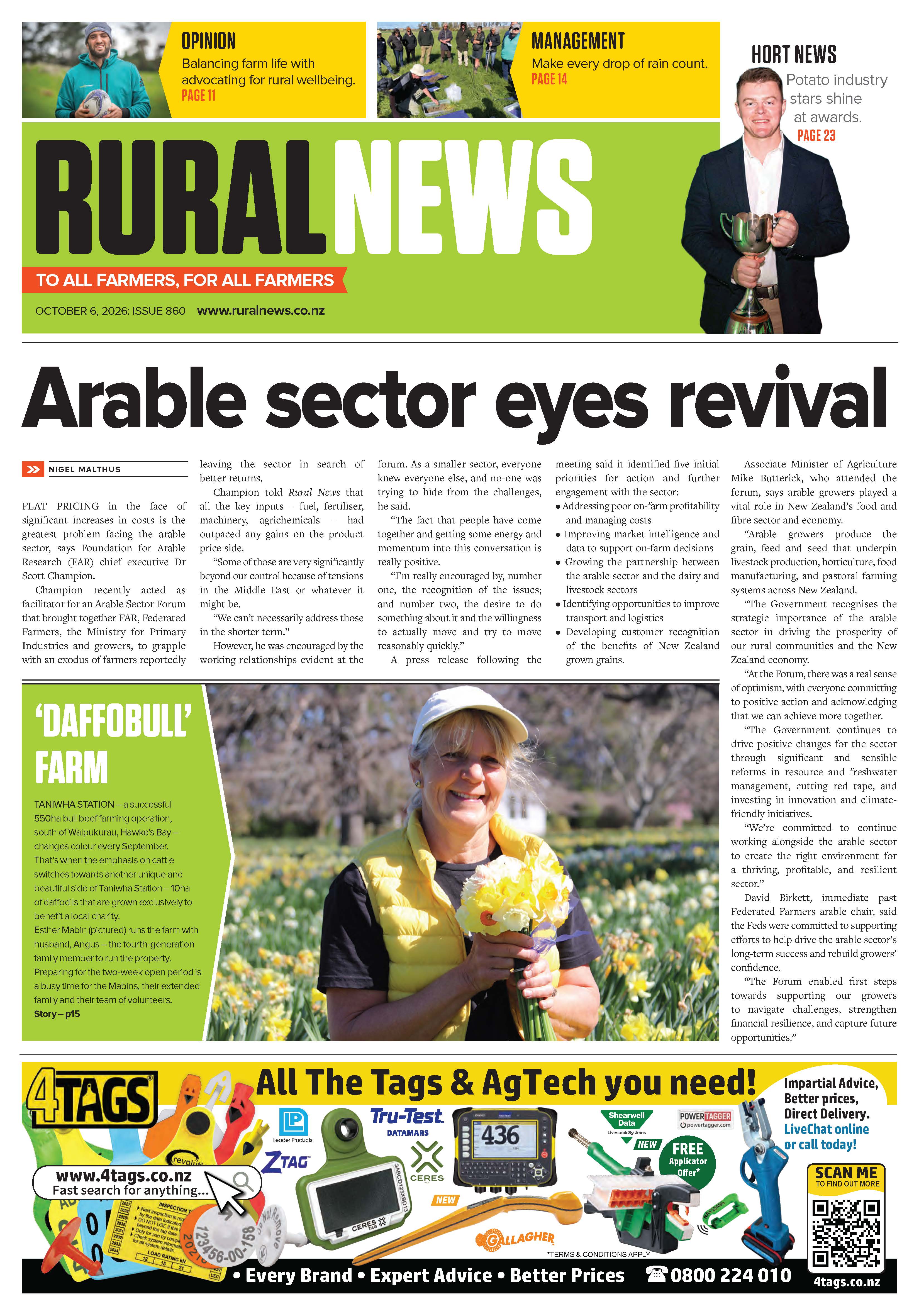
Dairy Effluent Management: Right Amount at the Right Time
Good effluent management on a dairy farm combines a well-designed system with proper processes to ensure the right amount of effluent gets applied to pasture at the right time.




 increase font size

ANOTHER RAFT of Government proposals to reform fresh water management is likely to find favour with the farming sector.
Environment Minister Amy Adams and Primary Industry Minister Nathan Guy last week launched a discussion document intended to further change the way fresh water is managed. Top priority is for regional councils to do more and do it better. And it sets ‘compulsory’ national values and outcomes which regional councils must incorporate in their plans.
The compulsory values relate to ecosystems and human health. Also addressed are food security, irrigation, stock water and economic and community development. It sets out national minimum standards for water bodies. Maori values also assume a high priority. And it requires councils to use a collaborative model when producing their plans.
The Government proposes regional councils be required to do ‘water accounting’, i.e. account for all water takes and sources of contamination to ensure better local decision making.
Adams says in the past New Zealand has lacked sophistication in its use and management of fresh water. Decisions have been made with insufficient information.
The proposed reforms provide that some core key scientific data be supplied to councils to help avoid prolonged legal battles.
“In a country of 4.5 million people it makes no sense to be battling over the limited number of experts we have in this area. All we see is the same battles over the same issues of science and economics fought time and time again, plan by plan, consent by consent across the country – which to most of us seems an enormous waste of resources.
“This framework is to get consistency on the numerics, the framework and the application. This package is to give communities a collaborative approach whereby they get in and sort the stuff up-front rather than at the end.”
The intention is a collaborative, rather than an adversarial, approach.
Good effluent management on a dairy farm combines a well-designed system with proper processes to ensure the right amount of effluent gets applied to pasture at the right time.
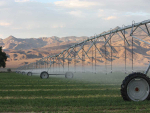
For years, IrrigationNZ has called for a coordinated national approach to water security, backed by enabling regulation, strategic infrastructure investment and sound technical practice. As the 2026 general election approaches, many of these priorities are now reflected in political commitments and legislative reforms. That represents significant progress, but the real measure of success will be turning policy into practical outcomes, says IrrigationNZ principal technical officer Stephen McNally.
There's been widespread support from the primary sector for the Government's announcement on changes to freshwater farm plans that come under the Natural Environment Bill, which is now set to replace the existing RMA.
Today marks the first day of operations for Waikato Waters, a new council-controlled organisation established by six district councils to deliver water and wastewater services for their communities.
OPINION: New economic modelling confirms what many of us in Hawke's Bay have long understood - getting water security right for this region is one of the most important decisions we face as a community. Not just for farmers, but for everyone who lives, works and builds a future here.


OPINION: Political parties are getting plenty of advice and recommendations from sector groups as the election approaches.
In farming there are external factors that can influence behaviour of a whole herd, such as a bad weather event, triggering false positive heat detections or health attentions.
For Canterbury dairy farmer Cameron Henderson, supporting Meet the Need comes down to a simple question: how can the success of New Zealand farming benefit more than just those within the industry?
Fonterra board members are in line for a pay rise of around 3%.
Dairy processors are ready to further boost New Zealand’s export earnings but want the incoming government to match their ambition with good policy.
Federated Farmers has welcomed new rural policies released by ACT, saying they align closely with its own election priorities.





OPINION: The same mainstream media muppets that brought you Jacindamania in 2017 have been flat out pimping for the Opportunities…
OPINION: Your old mate reckons the atrocious way farmers in the UK are treated by their lords and masters in…