Dairy Effluent Management: Right Amount at the Right Time
Good effluent management on a dairy farm combines a well-designed system with proper processes to ensure the right amount of effluent gets applied to pasture at the right time.




 increase font size
 Effluent ponded around irrigator (Paddy Smith Ltd case).
A Matamata truck wash business and a Hauraki farmer have both been convicted and fined over separate pollution events resulting from poor management of effluent infrastructure.
Paddy Smith Limited was fined $60,000 by Judge Jeff Smith in the Tauranga District Court for the unlawful discharge of animal effluent from the washdown of stock trucks at their rural site.
William Gary Brunt was fined $49,000 by Judge Brian Dwyer in the Hamilton District Court for unlawfully discharging animal effluent into the environment at his Netherton farm.
In the first case, Waikato Regional Council responded to a complaint from a member of the public in May 2020. Council staff found that an irrigator had been operated next to a gully for about six hours resulting in substantial ponding of contaminant creating flow paths to the Tututahunga Station. The discharge comprised washdown from stock trucks.
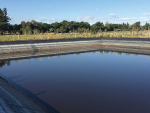
In the second case, an effluent holding pond was found to be overflowing into a nearby paddock by Waikato Regional Council staff during a routine inspection in August 2019. The council had alerted Brunt to the risks his system posed to the environment during previous inspections.
Waikato Regional Council’s regional compliance manager Patrick Lynch says “In both cases there was adequate infrastructure to manage effluent; however, they had been poorly managed resulting in these two completely avoidable incidents.
“This is an opportunity to remind anyone that manages contaminants as part of their business to be vigilant, not only to protect the environment, but also to protect themselves from the consequences of environmental breaches,” Lynch says.
Good effluent management on a dairy farm combines a well-designed system with proper processes to ensure the right amount of effluent gets applied to pasture at the right time.
For years, IrrigationNZ has called for a coordinated national approach to water security, backed by enabling regulation, strategic infrastructure investment and sound technical practice. As the 2026 general election approaches, many of these priorities are now reflected in political commitments and legislative reforms. That represents significant progress, but the real measure of success will be turning policy into practical outcomes, says IrrigationNZ principal technical officer Stephen McNally.
A pause on Waikato Regional Council's (WRC) plan change that sets new freshwater rules for farming could be announced in the coming weeks.
OPINION: Staying on Plan Change 1, NZ First deputy leader Shane Jones took to social media to gain some political points.
OPINION: All eyes are on the Government as Waikato farmers seek urgent help to fend off the controversial Plan Change 1 (PC1), designed to manage nutrient discharges into waterways in the region.



During the nesting season, from September to December, industrious starlings can quickly build nests in the darker areas behind tractor and vehicle, usually close to hot engines, typically resulting in localised damage or in some cases complete write-offs.
The meat processing industry is much more collegial than it was in the past and is now more focused on common goals.
With the last couple of months having seen some potential tractor purchases put on hold with the impending election and continued input cost rises, year-to-date figures, ending September, has seen deliveries up around 5% over the same period in 2025, with a total of 2026 units.
Beef+Lamb New Zealand is calling for nominations for director roles in the Northern South Island and Northern North Island electoral districts.
Fonterra chief executive, Richard Allen says being resilient has helped the dairy industry overcome extreme volatility in recent years.
The head of the Ministry for Primary Industries (MPI) trade and international relations group says New Zealand is well-positioned to secure trade access and compete internationally as the world becomes more complicated, demanding and uncertain.





OPINION: The same mainstream media muppets that brought you Jacindamania in 2017 have been flat out pimping for the Opportunities…
OPINION: Your old mate reckons the atrocious way farmers in the UK are treated by their lords and masters in…




