Southerly Winds Hit Taranaki Dairy Pasture Growth
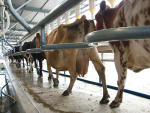
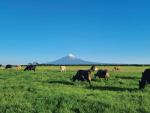
A spate of southerly winds bringing cold temperatures has presented challenges for Taranaki dairy farmers.




 increase font size
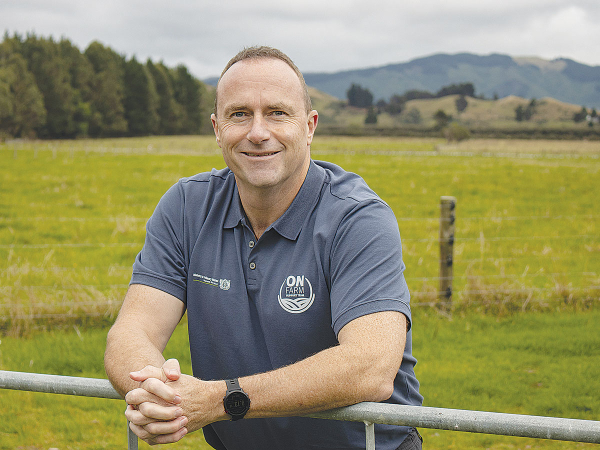 MPI's head of on-farm support, Dr John Roche.
The Ministry for Primary Industries' (MP) head of their On-Farm Support Team, Dr John Roche, says the declaration of a drought or adverse event is a recognition that things are tough in a region such as Taranaki.
He says MPI has been working with other organisations such as Beef + Lamb NZ, DairyNZ and the local Rural Support Trust to run seminars on how to deal with the dry conditions, and social occasions to get farmers to meet and support each other.
Roche says different groups of people are affected in different ways.
"For example, your dairy farmer has a good milk price to look forward to and so does your sharemilker, but your contract milker is depending on the milk coming in to get their revenue. So we are just trying to cater for all the different people who will be differently affected," he says.
He says while sheep and beef farmers have little supplement, they tend to react more quickly, for example, destocking, when the drought starts to appear.
"The idea of a declaration is that it recognises that it has been much drier than a normal summer," he says.
Roche was at the Northland Field Days recently and says conditions are very dry on the west coast of the north.
He says the area around Dargaville is very dry and farmers there have been feeding out for the past couple of months.
A spate of southerly winds bringing cold temperatures has presented challenges for Taranaki dairy farmers.
Testing confirms H5 bird flu in a single northern giant petrel, found dead on a remote Cape Palliser beach in the Wairarapa, says Dr Mary van Andel, the Ministry for Primary Industries' (MPI) Chief Veterinary Officer.
The apple sector is working with the Government to unlock access to two key markets that could bring millions in revenue for apple growers.
With forecasters advising El Niño conditions will develop through winter and strengthen into spring and summer, Ballance Agri-Nutrients is encouraging farmers and growers to think ahead about nutrient planning and be prepared to work around challenging weather conditions.



Federated Farmers has welcomed new rural policies released by ACT, saying they align closely with its own election priorities.

Rural Contractors NZ says proposed changes to land transport rules for agricultural vehicles are a welcome response by the Government to out of date regulations which have seen members hit with huge fines.
Alliance is calling for final applications for its 2027 Graduate Programme, with applications closing on Sunday 25 October.
Decades piloting planes has ensured vet and farmer David Hayes is focused on safety. So, after a serious accident while welding on farm, he is sharing his experience so others can learn from it.
Canterbury milk processor, Synlait Milk has confirmed Leon Fung as its chief executive officer.
OPINION: Making it easier to collect rainwater and use it to grow crops and livestock is a no brainer.


OPINION: The same mainstream media muppets that brought you Jacindamania in 2017 have been flat out pimping for the Opportunities…
OPINION: Your old mate reckons the atrocious way farmers in the UK are treated by their lords and masters in…