New Zealand is making mistakes in research, data protection and biosecurity, for example, because we are terrible strategic thinkers, claims Labour’s primary industries spokesman Damien O’Connor.
“We have come a long way in 250 years to become, we hope, a first world country. Change has occurred very rapidly, the government has been known as the fastest law makers in the west,” he told the Agcarm conference in Auckland last week.
“That has assisted us to make changes when and where necessary – not to be locked into a constitution or a lawmaking process that takes forever. We can change laws quickly and adjust to what we need. But that rapid change has left us with a short horizon, some shallow thinking and in my opinion little vision.”
Knowing where we are heading is often assumed but not considered or clarified by many organisations, governance included, he says.
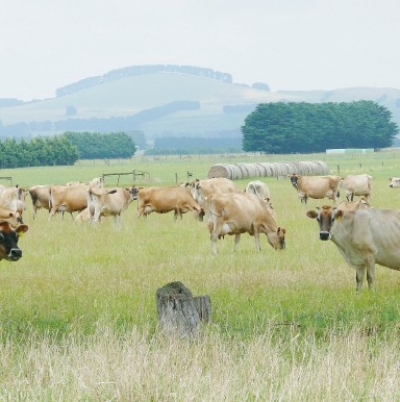
“For the biggest industry in New Zealand, the dairy industry, there is no strategic plan. How dumb is that? DairyNZ has a strategic plan and it’s kind-of farmer focused as it should be. They are the people paying the levy and DairyNZ is servicing their needs. Fonterra I hope has a strategic plan – I’m trying to work out where it is – but they are not the only dairy company. While it is a cooperative, there are now people with interests in Fonterra who are not farmers.
“There is no strategic plan or vision for our dairy industry and this economy relies on it.”
O’Connor says he is not surprised the red meat industry doesn’t have one although they tried a red meat strategy that for a start omitted venison. It was an exercise in reluctant participation by the industry players. The wool industry, of course, has been in chaos.
“The deer industry is now floundering around with a product that is first class, premium, the best protein in the world, yet they can’t get their act together enough to give the farmers enough confidence and certainty to keep there and grow their numbers in the industry. All these things affect each and every one us in the economy.”
The Government has tried to assist through the Primary Growth Partnership scheme, he says. But O’Connor thinks it is “an outrageous slush fund” for a whole lot of business-as-usual practices and experiments that should be funded by the industry. He says $350 million taxpayer money has been allocated to the meat industry. About $40m has gone to ANZCO for one initiative alone – to add value to a beef cut. If that company is not already doing that it shouldn’t be in business, O’Connor says.
“The need for some direction and innovation has been apparent to many but the initiatives and help have not been good,” O’Connor adds.
The report from the auditor-general released a couple of weeks ago said that, of the six projects it investigated – some more than halfway through – there is no identifiable economic benefit.
“Which one of you would spend that kind of money without some strategic direction and some indication of moving in the right direction?”
The Government has a goal of doubling exports by 2025, “but a goal is not a strategy,” says O’Connor. “Until we become more coordinated within the sectors and between the sectors and Government we are not going to get to where we need to go.” – Pam Tipa