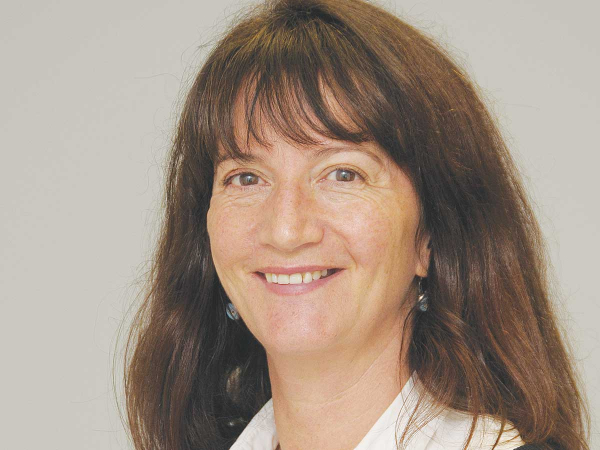
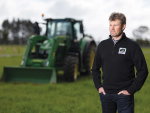
Rural General Practice Network chair Dr Fiona Bolden is disappointed that the Government is treating rural general practices the same as any other business in the community.
Bolden told Rural News that rural GPs were expecting to get two payments from the Government to assist them financially.
However, she says while they had received the first payment, Cabinet vetoed the second payment – just days before it was expected to be paid.
Bolden says this has made it very hard for many rural practices because the money they normally receive from face-to-face consultations and ACC is no longer there.
“At the moment we are just being treated like any other business, despite the fact that we part of the frontline staff,” she told Rural News.
“We are part of the reason why the curve has flattened, because of the changes that we have made to our practices and, in fact, most people in the community who have contracted Covid-19 have been managed by general practice and not at hospitals.”
Bolden says her organisation is now in the process of gathering additional information to present to Cabinet in a bid to get them to change their mind over funding.
She says some positive things have occurred in the past weeks with more Community based Assessment Centres (CBAC’s) been set up in rural areas. She believes that, in time, this role may be handed over to local clinicians by the DHB and concedes this may not be unreasonable.
Under Level 3, Bolden says there is an expectation that rural general practices should be getting back to business as usual. This would involve taking smears and that sort of thing. Also managing people who have become quite unwell through Level 4 and have presented themselves to GPs later then they might otherwise have done.