
No, Minister — Editorial
Let's hope there’s truth in the talk of a funding reprieve for the rural health body Rural Health Alliance Aotearoa NZ (RHAANZ).




 increase font size
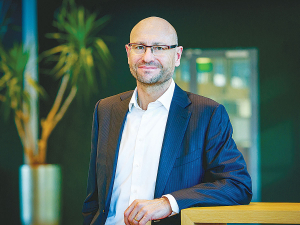
 Dr Martin London.
The Rural Health Alliance (RHAANZ) seems promised a reprieve, and is now looking at restructuring rather than ‘hibernation’.
Restructuring may mean an emphasis on acting as a voice and adviser for rural health services rather than providing services itself.
“We have had such strong support from the community from a whole number of different directions that we are beginning to move away from the term ‘hibernation’ and look to restructuring,” says chairman Dr Martin London.
“There are a few sources of finance, which will enable us to continue in one form or another.”
The RHAANZ said in mid April it was going into “hibernation” after failing to obtain hoped-for Government funding.
Its council will now meet on May 10 to “focus on our new resources, such as they might be, and see what sort of secretariat and service we can continue to provide rural NZ,” says London.
Until late June it will operate as a basic secretariat while it carries out some “strategic manoeuvres and plans a restructure”.
“Clearly the expectation of us continuing what we do is high in the rural community.”
London refers to misconceptions about funding.
“In some areas the media are saying the Government is withdrawing finance. That is not really the case. The only finance we have had from Government is in the form of contracts and if we don’t have a substantial secretariat – a base organisation which is financially sound – the Government can’t award contracts.
“So if they are not funding the former mental health contracts we have been pursuing that doesn’t mean they are taking money away. They are redirecting those contracts to someone else who can fulfill them.”
London says he’d like to position RHAANZ as not a provider of services.
“We are there to coordinate the rural voice and provide advice and direction and coordinate rural response to the expectations of government, but not actually provide it ourselves.”
London says they are “cautiously positive -- not jumping up and down saying ‘we have won’; but there is a way forward and strong support”.
The “resources” he refers to are initiatives out of the rural community.
“And we have a subscription base of 47 members. There is a lot of appropriate negotiation or reflecting going on between members and sponsors.”
So with enough continuing support from their original “electorate” they will continue. “We just have to see how we model the providing of our services.”
Because of the funding issues the contract for chief executive Michelle Thompson has finished “at the moment and in its form”.
“Because she has got so much understanding of the finances and the relationships with our sponsors and our membership she has agreed to go on with that side of things in a very reduced way to see us to the end of the [financial] year so we can close the year with our finances clearly declared.”
London “very much hopes” a restructured organisation would include a role for Thompson.
Let's hope there’s truth in the talk of a funding reprieve for the rural health body Rural Health Alliance Aotearoa NZ (RHAANZ).

New Zealand’s umbrella rural health organisation will move to shut down if it does not receive government funding next week.
Sorting health issues will help improve the safety of rural communities, says Rural Health Alliance Aotearoa New Zealand chief executive Michelle Thompson.
Stresses on rural people may have increased due to the cumulative effect of various pressures over the last few years in farming.
Workforce shortages in the rural health sector – now and into the future –are “quite scary”, says Rural Health Alliance (RHAANZ) chief executive Michelle Thompson.

Farmer-owned fertiliser company, Ballance Agri Nutrients is welcoming National’s plan to negotiate security agreements with key supplier countries to protect New Zealand-bound products from export restrictions and greater supply chain certainty.

Carrfields has announced the appointment of Stu Hall to the newly created role of chief operating officer, Carrfields Ltd, reflecting the continued growth of their agribusinesses and the need to ensure the company has the leadership capacity and support in place as it pursues the emerging opportunities ahead.
New Zealand's role is not to compete with Indian growers, according to NZ Apples and Pears.
The potato industry is celebrating the success of two rising stars - James Blair, the 2026 Young Grower of the Year and runner-up and innovation award winner, Amber Davy.
Twenty-eight emerging leaders from across the horticulture sector spent two days last month learning valuable skills and connecting with industry experts.
There are five entrants in this year’s Young Horticulturist of the Year, competing in a series of technical, practical, business and leadership challenges.




OPINION: The same mainstream media muppets that brought you Jacindamania in 2017 have been flat out pimping for the Opportunities…
OPINION: Your old mate reckons the atrocious way farmers in the UK are treated by their lords and masters in…