McRae Wins Southern South Island B+LNZ Director Vote
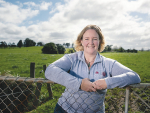
Matt McRae, a farmer from Mokoreta in Southland who runs a sheep, beef and dairy support business alongside a sheep stud, has been elected to the Beef +Lamb NZ Board as a farmer director.




 increase font size
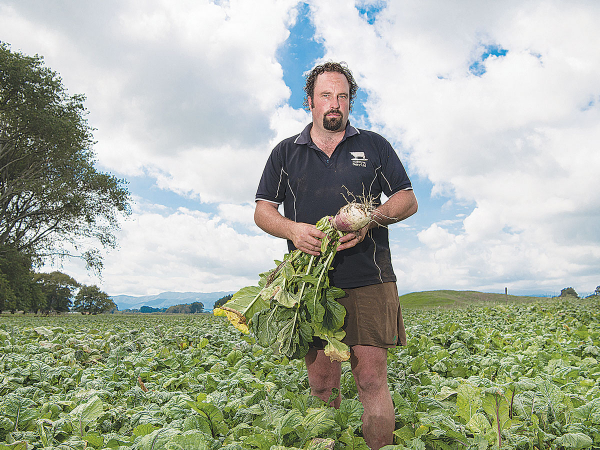 Federated Farmers dairy section chair Richard McIntyre.
Dairy farmers are fuming over a remit that wants Beef + Lamb New Zealand (B+LNZ) to prioritise advocacy work for the sheep and beef sector.
The remit, filed by chairman of Farmers 4 Positive Change, Rick Burke, wants B+LNZ's advocacy position "taken from a sheep and beef sector standpoint".
During any advocacy negotiation, if there's perceived or actual conflict between the two sectors, the remit wants B+LNZ to declare the conflict.
The remit will be voted on at B+LNZ's annual meeting in New Plymouth on March 30.
Federated Farmers dairy section chair Richard McIntyre told Rural News the remit is quite remarkable. He says if the remit is passed and B+LNZ only advocated for sheep and beef farmers, then dairy farmers should no longer be required to pay a levy to them.
Dairy farmers pay a levy to B+LNZ on every head of cattle sent to meat companies.
"It would be unreasonable for us to continue to pay a levy to an organisation that, in some circumstances, will be actively advocating against our interests," McIntyre told Rural News.
He says gone are the days when a single agriculture sector should advocate alone.
“These days it’s all about collaboration, understanding each other’s perspectives and working together towards a fair solution for all farmers.”
McIntrye says that what Federated Farmers does.
“We have meat and wool, dairy and arable councils but we get together and find a resolution that is fair and reasonable across all sectors,” he explains.
“It would be far better for our levy money to go to organisations that advocate with consideration for our interests and put research into issues facing dairy farmers, such as alternative pathways for non-replacement calves and dairy beef integration.”
But Burke, a Katikati sheep and beef farmer, told Rural News that he’s not sure “why the dairy boys are unhappy, because the payback from their levies are massive, particularly in terms of B+LNZ’s market access work for their cull cows”.
He also points out the work B+LNZ is doing around the ‘no bobby calves’ campaign, dairy beef integration program and third party dairy support like heifer grazing, wintered non-lactation dairy cow grazing and breeding bulls.
“The issue is, the allocation of dairy levy funds collected have never been defined clearly, they just go into a pool of funds collected by B+LNZ.
“In recent times, dairy have had overwhelming advocacy support within DairyNZ, Fonterra, and even Federated Farmers, whereas the sheep and beef sector has no organisation giving them 100% advocacy support.”
Burke believes B+LNZ has the ability to define where the dairy levy is allocated, by separating out the proportion of dairy beef levy income – and not utilise this for any advocacy work on behalf of the dairy industry.
The remaining dairy beef levy can be reallocated into in-market access, research and development, farmer extension and research, people development and insights as per the status quo, he adds.
Matt McRae, a farmer from Mokoreta in Southland who runs a sheep, beef and dairy support business alongside a sheep stud, has been elected to the Beef +Lamb NZ Board as a farmer director.

The red meat sector is poised for a strong rebound this season, with export receipts forecast to top $10 billion and farm profitability to almost double.
Progeny testing at Pāmu’s Kepler farm in Southland as part of Beef + Lamb New Zealand’s Informing New Zealand Beef programme is showing that the benefits of hybrid vigour could have a massive impact on the future of beef breeding.
Beef + Lamb New Zealand (B+LNZ) has reiterated calls for New Zealand to revise its methane targets after the Government's "disappointing" announcement of its revised Nationally Determined Contribution (NDC).
Beef + Lamb New Zealand (B+LNZ) is having another crack at increasing the fees of its chair and board members.


Federated Farmers has welcomed new rural policies released by ACT, saying they align closely with its own election priorities.
Rural Contractors NZ says proposed changes to land transport rules for agricultural vehicles are a welcome response by the Government to out of date regulations which have seen members hit with huge fines.
Alliance is calling for final applications for its 2027 Graduate Programme, with applications closing on Sunday 25 October.
Decades piloting planes has ensured vet and farmer David Hayes is focused on safety. So, after a serious accident while welding on farm, he is sharing his experience so others can learn from it.
Canterbury milk processor, Synlait Milk has confirmed Leon Fung as its chief executive officer.
OPINION: Making it easier to collect rainwater and use it to grow crops and livestock is a no brainer.

OPINION: The same mainstream media muppets that brought you Jacindamania in 2017 have been flat out pimping for the Opportunities…
OPINION: Your old mate reckons the atrocious way farmers in the UK are treated by their lords and masters in…




