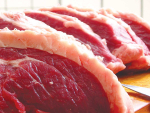
Editorial: No Small Challenge
OPINION: There could hardly be a more appropriate theme for a conference than the one chosen by the red meat sector - Navigating Volatility.




 increase font size
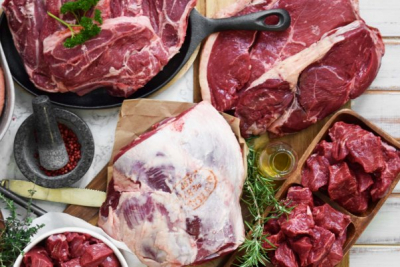
Red meat export receipts reached a record high for the December quarter of the 2017-18 season.
Lamb export receipts reached a record high of $677 million from October to December 2017, up 47% on the same period in 2016.
The average FOB value in this December quarter equalled the record set in the December quarter of 2011 at $10,460 per tonne – up 22%.
New Zealand beef and veal exports generated $588 million in the first quarter of the 2017-18 season, up 29% compared with the same period last season and the second highest on record for the December quarter – only behind the 2015-16 season.
Analysis by Beef + Lamb New Zealand's (B+LNZ) Economic Service shows the record was driven by high export volumes and average Free-on-Board (FOB) per tonne at record values for lamb and mutton, and near record values for beef, while the New Zealand dollar has remained relatively strong.
Andrew Burtt, B+LNZ chief economist, said lamb and mutton farm-gate prices were up 30% and 59% respectively for the first quarter of the season (October-December 2017) compared to the previous season. Cattle prices were relatively steady – up 5%.
“Average value per tonne for exports started at a high level after strong growth during the 2016-17 season and have remained strong despite higher processing volumes so far in 2017-18.
“Dry conditions led to an increase in New Zealand sheepmeat, cow and bull production over the first quarter compared with the same quarter in 2016-17, but similar to production in 2015-16.
“The 2016-17 season started slowly due to generally wetter and cooler weather and livestock were harder to finish, but good pasture availability reduced pressure on farmers to sell.”
While production was high in the first quarter of the 2017-18 season, in its 2017-18 New Season Outlook, B+LNZ’s Economic Service forecast that lamb and beef production would be about the same as in 2016-17, but mutton production would be down 9.1%, he said.
OPINION: There could hardly be a more appropriate theme for a conference than the one chosen by the red meat sector - Navigating Volatility.
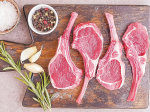
New Zealand's red meat and fifth-quarter exports reached $867 million in August, up 23% on the same month last year, as stronger returns lifted earnings across all major markets.
Meat Industry Association data, released alongside the Red Meat Sector conference in Wellington, shows export value climbing across the US, China, UK and Canada.
Chinese beef trade quotas and a looming suspension of Brazilian beef imports into the European Union are expected to reshape global beef trade flows over the remainder of 2026, with implications for New Zealand exporters, according to Rabobank's Q3 Global Beef Quarterly report.
New Zealand consumers are paying more for beef mince than ever before, with the average retail price now sitting above $24 per kilogram, according to Rabobank.



Fonterra Co-operative Group chief financial officer Andrew Murray has resigned to take up a role outside the dairy giant.
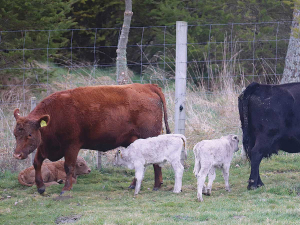
A major move is about to get underway to improve the quality and viability of dairy beef and cattle in NZ.
Veterinarians say changes to the code of welfare for dairy cattle provides a positive foundation for improved cattle welfare across the country.
Today, 15 October, is the International Day of Rural Women, which recognises rural women’s contribution to farming, communities and the environment.
Global dairy giant Lactalis has integrated its Australian operations with the Mainland Dairy consumer business it acquired from Fonterra earlier this year.
High country stations, mixed sheep and beef farms, Māori-owned farms, corporates and family operations are among the nine commercial farms taking part in the Livestock Innovation Farming Transformation programme, known as LIFT.





OPINION: The same mainstream media muppets that brought you Jacindamania in 2017 have been flat out pimping for the Opportunities…
OPINION: Your old mate reckons the atrocious way farmers in the UK are treated by their lords and masters in…




