
India FTA Removes 33% Tariff on NZ Sheepmeat
New Zealand’s red meat sector has welcomed the India-New Zealand Free Trade Agreement taking effect, which removes India’s 33% tariff on New Zealand sheepmeat.




 increase font size

PRIMARY INDUSTRIES Minister Nathan Guy says new figures show primary sector exports will reach record levels of $37.7b over the last year – around $1.3b more than previously forecast.
The Ministry for Primary Industries recently released the Situation and Outlook for Primary Industries 2014 (SOPI 2014) - an annual publication that provides a snapshot and forecast for our major primary sectors over the next four years.
"SOPI 2014 reveals export prices increased across most sectors for the year ending June 2014. Both dairy and forestry sectors stood out with good increases in both price and production," says Guy.
"Dairy now accounts for 46%of total primary industry export value and 35% of total New Zealand merchandise export value. High price levels for dairy were underpinned by robust demand from China, which remains an important market for dairy, meat and wool, seafood and logs.
"Meat and wool exports have broken $8 billion, which is fantastic considering last year's drought. Exports are expected to increase by around 22 percent for the five years to 2018.
"Demand for logs from China is driving the growth of the forestry sector, with export value reaching $5.1 billion at the end of June 2014. Domestic demand for sawn timber is expected to increase with the Auckland and Christchurch housing markets growing.
"SOPI also forecasts horticulture export revenues to surpass $4 billion in 2016, a major milestone for the sector. Last week's National Horticulture Fieldays in Hawke's Bay was a great showcase of the potential of this exciting industry.
"Export earnings for the New Zealand seafood industry are expected to increase to $1.64 billion in 2018, with prices likely to remain high due to strong demand from China, Australia, US and the EU.
"This results are helped by programmes such as the Primary Growth Partnership (PGP), Sustainable Farming Fund, and the Irrigation Acceleration Fund which all deliver long-term value to the sector, and the New Zealand economy.
"This report makes great reading for New Zealand's primary industries as it enters the 2014/15 year, and I'm anticipating positive vibes at this week's Mystery Creek National Fieldays," says Guy.
See: www.mpi.govt.nz/sopi14
New Zealand’s red meat sector has welcomed the India-New Zealand Free Trade Agreement taking effect, which removes India’s 33% tariff on New Zealand sheepmeat.

New Zealand's role is not to compete with Indian growers, according to NZ Apples and Pears.
The red meat sector is in great heart.
As expected, the US has launched a safeguard investigation into lamb imports, a move that could impact New Zealand sheepmeat returns.
New Zealand's red meat sector says it welcomes the Government's focus on trade ahead of the general election in November.


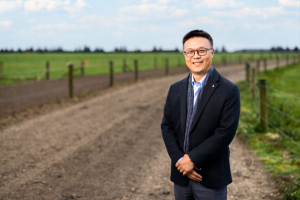
Canterbury milk processor, Synlait Milk has confirmed Leon Fung as its chief executive officer.
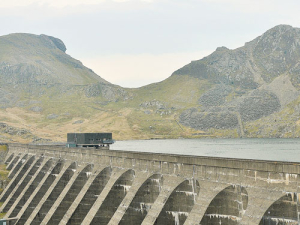
OPINION: Making it easier to collect rainwater and use it to grow crops and livestock is a no brainer.
As part of its Election 2026 coverage, Rural News asked political parties how they would help pull the arable sector out of the doldrums. Here's what they said:
Farmers are being encouraged to rethink how they manage waste on farm with the launch of ruralwastesorted.co.nz, a new website bringing together practical tips, real farmer experiences and resources.
New Zealand Winegrowers (NZW) is celebrating the India-New Zealand Free Trade Agreement (FTA) coming into force today, bringing New Zealand wine improved access to one of the world’s fastest-growing economies.
New Zealand’s red meat sector has welcomed the India-New Zealand Free Trade Agreement taking effect, which removes India’s 33% tariff on New Zealand sheepmeat.




OPINION: The same mainstream media muppets that brought you Jacindamania in 2017 have been flat out pimping for the Opportunities…
OPINION: Your old mate reckons the atrocious way farmers in the UK are treated by their lords and masters in…




