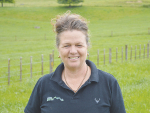
DairyNZ chair wants cross-party deal
New DairyNZ chair Tracy Brown says bipartisan agreement among political parties on emissions pricing and freshwater regulations would greatly help farmers.




 increase font size
 An email from DairyNZ chief executive Tim Mackle has been interpreted as a dismissal of farmer feedback on the He Waka Eke Noa climate partnership.
Questions are being raised about the integrity of the recent consultation process around farm emissions.
Farmers claim an email, sent last week by DairyNZ chief executive Tim Mackle, makes a mockery of their submissions and the authenticity of the recent consultation.
The charge has been led by lobby group Groundswell and raised criticism of DairyNZ - a key member of the HWEN (He Waka Eke Noa) partnership that ran the farmer consultation process.
Mackle's email says proposals put forward by farmers during the consultation process "miss a lot of detail". He claims there are "strict confines" that need to be worked within and any proposal that is going to get over the line with government "needs to be credible". Mackle states the two options - farm-level and processor-level - put forward by the HWEN partnership have the best chance of success.
But Groundswell claims DairyNZ "has dismissed all alternative emissions proposals the day before the group was due to present its emissions plan to the He Waka Eke Noa secretariat".
"We are deeply disappointed with this pre-emptive action by DairyNZ, which has now cast doubt on the integrity of the entire HWEN consultation process," it says. "This is unacceptable conduct by DairyNZ, farmers deserve much better from our representatives."
ACT rural spokesman Mark Cameron says he shares farmers' disappointment.
"DairyNZ has fallen victim to the Government's fear mongering," he told Rural News. "Arguably it could have said to the Government that both options as they currently sit are non-starters."
Federated Farmers president Andrew Hoggard says Mackle message could have been "better worded".
He says farmers made submissions to the HWEN consultation in good faith and expect changes to the farm-level and processor-level options.
"I think there should be changes if the industry groups want to bring farmers on the journey," Hoggard told Rural News.
He says Mackle's message seems to say that changes unacceptable to the Government won't be included, when in fact DairyNZ should be pushing for changes sought by farmers.
"Consultations have to be genuine. If there are no changes to the proposals then farmers would be disappointed."
Mackle told Rural News that Grounswell's statement is misleading and inaccurate. "We're really disappointed that these claims do not reflect the fair and transparent consultation process that has been undertaken for He Waka Eke Noa," he told Rural News.
"There are certainly no pre-determined outcomes, and no pre-emptive actions have been undertaken by DairyNZ," Mackle says. "We want to reassure all dairy farmers once again that this is an authentic consultation process and we are listening.
"We are reviewing all feedback and proposals for alternative options and will capture the key themes in the existing options, which we believe remain our best chance of success.
"DairyNZ and the partnership (HWEN) want to get farmers the best deal possible, so it's important we get this right. Farmers deserve a better deal than the ETS, so we can maintain profitable businesses while we work to reduce our emissions."
The HWEN's recommendation to government is due on May 31.
Rural News understands Groundswell plans to put a "fourth option" on the table; it will include submissions made by other farmer groups.
New DairyNZ chair Tracy Brown says bipartisan agreement among political parties on emissions pricing and freshwater regulations would greatly help farmers.

First up to the podium at the recent Tractor and Machinery Association (TAMA) Conference in Wellington, Minster for Agriculture, Todd McClay, reflected on a difficult 12 months, but hinted at signs that things were turning the corner, saying “when ag does well, New Zealand does well”.
A horror story - that’s how Federated Farmers describes new research looking at forestry conversions’ impact on water quality.
OPINION: When Groundswell showed up in the 'advocacy hub' at Fieldays alongside the same groups that brought you He Waka Eke Noa, the Hound feared the ginger group had been brought into the woke fold and given the old rubber ring.
OPINION: Industry-good bodies have had a torrid time recently, with some facing backlash from farmers particularly over their stance on emissions pricing and He Waka Eke Noa.

Farmer-owned fertiliser company, Ballance Agri Nutrients is welcoming National’s plan to negotiate security agreements with key supplier countries to protect New Zealand-bound products from export restrictions and greater supply chain certainty.
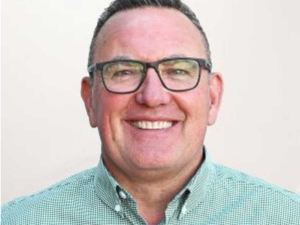
Carrfields has announced the appointment of Stu Hall to the newly created role of chief operating officer, Carrfields Ltd, reflecting the continued growth of their agribusinesses and the need to ensure the company has the leadership capacity and support in place as it pursues the emerging opportunities ahead.
New Zealand's role is not to compete with Indian growers, according to NZ Apples and Pears.
The potato industry is celebrating the success of two rising stars - James Blair, the 2026 Young Grower of the Year and runner-up and innovation award winner, Amber Davy.
Twenty-eight emerging leaders from across the horticulture sector spent two days last month learning valuable skills and connecting with industry experts.
There are five entrants in this year’s Young Horticulturist of the Year, competing in a series of technical, practical, business and leadership challenges.



OPINION: The same mainstream media muppets that brought you Jacindamania in 2017 have been flat out pimping for the Opportunities…
OPINION: Your old mate reckons the atrocious way farmers in the UK are treated by their lords and masters in…