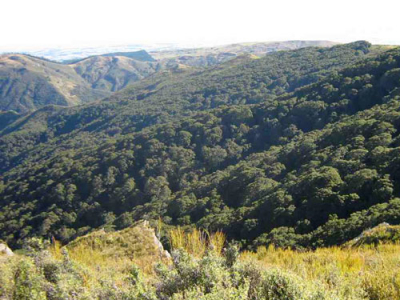
An aerial operation to control possum numbers in the Silver Peaks, an area of rough forest and tussock and scrub covered hill country near Dunedin, will get underway this month.
The TBfree programme aims to control and eventually eradicate bovine tuberculosis (TB) from New Zealand by 2055 with a combination of comprehensive pest management, TB testing for cattle and deer and stock movement control.
OSPRI’s Southern South Island programme manager Brent Rohloff said the Silver Peaks aerial operation, covering approximately 8,600 hectares and including the Silver Stream catchment, was entirely weather dependent but scheduled to start this month.
Monitoring had shown that control work was needed in the Silver Peaks area to reduce the possum population and minimise the risk of the disease spreading through wild animal populations to farmed cattle and deer. To eradicate bovine TB, possum numbers need to be kept extremely low – around one to two animals every 10 hectares.
The Silver Peaks block was last aerially treated in 2011. The Silver Stream portion has not received aerial control before.
There are strict safety, quality assurance and monitoring requirements around the use of 1080 when applied either by hand or aerially, and dog owners are reminded to keep their animals well away from areas where warning signs indicate that toxic baits will be present.
“Warning signs will be erected at all likely public access points to the area before the application of toxic bait begins. It is important that the public adhere to the instructions on these warning signs,” says Rohloff.
“Dog owners are reminded to keep their animals well away from areas where warning signs are present. It will not be safe to take dogs into the area until all of the signs have been officially removed.”
OSPRI helps protect and enhance the reputation of New Zealand’s primary industries. It manages the NAIT and TBfree programmes.