NZPork Names Mark Hooper Chair, Paul Bucknell Retires
Mark Hooper has been appointed the new chair of NZPork, the industry organisation representing New Zealand pig farmers.




 increase font size
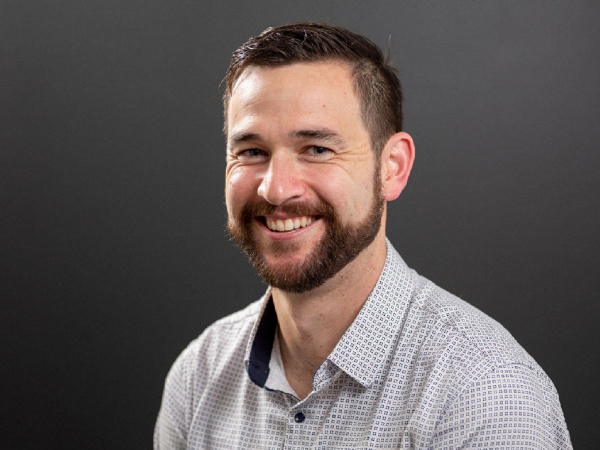 NZPork chief executive Brent Kleiss.
Pork farmers says a significant influx of imported pork is causing them concern.
NZPork says much of it is from countries that permit pig farming practices illegal in New Zealand, and in some cases, have herds affected by African Swine Fever (ASF).
According to data from NZPork, between January and September this year, imported pork accounted for nearly 62% of pork consumed in New Zealand.
New Zealand imported a total of 66,686 carcass weight equivalent tonnes (CWE) of pork, up from 65,566 CWE in 2023.
In comparison, local pig farmers produced 41,099 CWE tonnes of New Zealand-born and raised pork, slightly down from 41,789 CWE last year.
"Almost two-thirds of the pork consumed in New Zealand is imported, yet there are no requirements for these imports to meet our stringent pig welfare standards," says Brent Kleiss, chief executive of NZPork.
Mark Hooper has been appointed the new chair of NZPork, the industry organisation representing New Zealand pig farmers.
Rural leader Mark Hooper has been appointed as an independent director to the NZPork board, bringing extensive farming, governance and advocacy experience to the role.
As the cost-of-living crisis continues to put pressure on household grocery budgets, new figures show pork remains one of the most affordable fresh meat options for New Zealand families.
New data shows that pork remains one of the more affordable meat options for New Zealand households at a time when grocery costs continue to put pressure on budgets.
NZPork says the Government needs to strengthen its proposed planning laws to ensure New Zealand's pig farmers can continue to produce pork.


Alliance is calling for final applications for its 2027 Graduate Programme, with applications closing on Sunday 25 October.
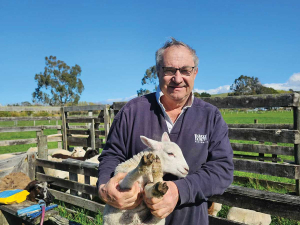
Decades piloting planes has ensured vet and farmer David Hayes is focused on safety. So, after a serious accident while welding on farm, he is sharing his experience so others can learn from it.
Canterbury milk processor, Synlait Milk has confirmed Leon Fung as its chief executive officer.
OPINION: Making it easier to collect rainwater and use it to grow crops and livestock is a no brainer.
As part of its Election 2026 coverage, Rural News asked political parties how they would help pull the arable sector out of the doldrums. Here's what they said:
Farmers are being encouraged to rethink how they manage waste on farm with the launch of ruralwastesorted.co.nz, a new website bringing together practical tips, real farmer experiences and resources.


OPINION: The same mainstream media muppets that brought you Jacindamania in 2017 have been flat out pimping for the Opportunities…
OPINION: Your old mate reckons the atrocious way farmers in the UK are treated by their lords and masters in…




