
Mark Hooper Joins NZPork Board as Independent Director
Rural leader Mark Hooper has been appointed as an independent director to the NZPork board, bringing extensive farming, governance and advocacy experience to the role.




 increase font size
 NZ Pork chief executive David Baines.
Pig farmers want the Government to allow independent butchers to resume trading immediately and help avoid an animal welfare crisis on farms.
All independent butchers across the country have been classified as non-essential businesses and been forced to close as part of COVID-19 Level 4 lockdown.
NZ Pork chief executive David Baines says the Government’s decision to exclude independent butchers from the essential business list will cause an animal welfare crisis in the New Zealand pork sector.
It says the pork sector will end up not having a place to house up to 5,000 surplus pigs on farm every week.
“By not being able to sell fresh carcass pigs to the independent butchers and other segments, we will be faced with a significant animal welfare issue,” says Baines.
“It’s very simple. There is no capacity to hold surplus pigs on farm. Commercial farms typically supply pigs to market on a weekly basis and do not carry spare holding capacity. Overcrowding of pigs in pens would quickly constitute a significant welfare issue under the animal welfare code.
“Wholesalers do not have the capacity to process and freeze the surplus volumes. Freezing carcasses is also not a complete option to the surplus volume, due to the limited blast freezer and storage capacity.”
NZ Pork has been in talks with Agriculture Minister Damien O’Connor and the Ministry for Primary Industries (MPI) about the situation.
Baines says it has been advised that O’Connor is seriously considering the issue.
“MPI clearly understands the urgency and importance of the issue, but we need a decision from the Government now.”
Rural leader Mark Hooper has been appointed as an independent director to the NZPork board, bringing extensive farming, governance and advocacy experience to the role.

As the cost-of-living crisis continues to put pressure on household grocery budgets, new figures show pork remains one of the most affordable fresh meat options for New Zealand families.
OPINION: The previous government spent too much during the Covid-19 pandemic, despite warnings from officials, according to a briefing released by the Treasury.
OPINION: Labour leader Chris 'Chippy' Hipkins is carrying on the world-class gaslighting of the nation that he and his cohorts started after their disastrous Covid response; now trying to undermine the Covid inquiry to protect his own backside.
OPINION: Did former PM Jacinda Ardern get fawning reviews for her book?


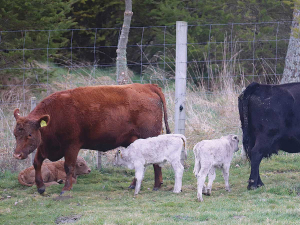
A major move is about to get underway to improve the quality and viability of dairy beef and cattle in NZ.
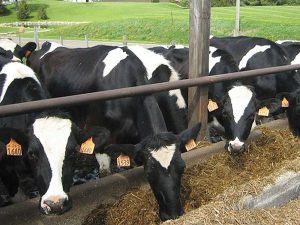
Veterinarians say changes to the code of welfare for dairy cattle provides a positive foundation for improved cattle welfare across the country.
Today, 15 October, is the International Day of Rural Women, which recognises rural women’s contribution to farming, communities and the environment.
Global dairy giant Lactalis has integrated its Australian operations with the Mainland Dairy consumer business it acquired from Fonterra earlier this year.
After almost two decades of sharemilking, saving and building equity, Aaron and Marcia Flay this year realised their long-held dream of settling on their first dairy farm.
Good medium to long term prospects for NZ beef, especially in the US, has heighted the focus on various initiatives to capitalise on this situation.



OPINION: The same mainstream media muppets that brought you Jacindamania in 2017 have been flat out pimping for the Opportunities…
OPINION: Your old mate reckons the atrocious way farmers in the UK are treated by their lords and masters in…




