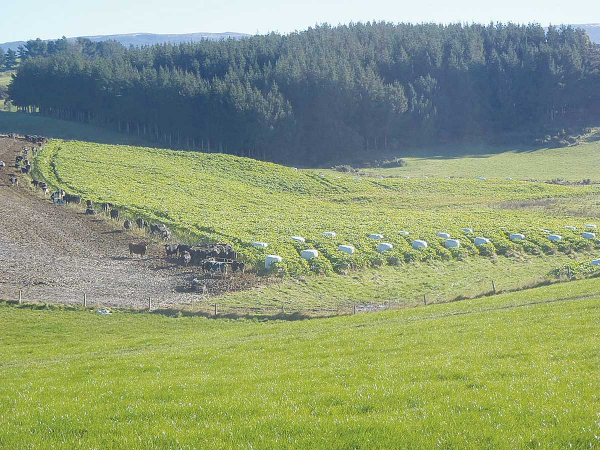
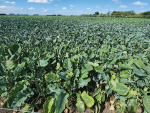
Farmers are being encouraged to get ahead of the game when it comes to cultivation and strategic grazing planning for 2022, to build on the positive signs from this winter grazing season.
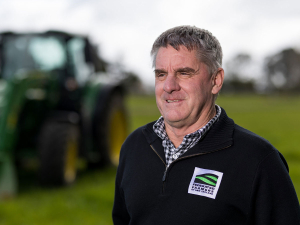
Environment Southland integrated catchment management general manager, Paul Hulse said while more consistent implementation of good winter grazing practice was evident this year, there were still a number of farmers who continued to let down those who are improving their practices.
“We have a wide range of regulatory, monitoring and education initiatives now well established and as a consequence, we are seeing strong evidence of good decision-making by farmers, in our aerial surveillance work,” he says.
Environment Southland says they have met with farming leaders following winter 2021 and all have agreed that working together on this would be a priority, as is the need for further improvement.
Planning ahead during the next three to four months is essential and assistance is available to farmers through the online planning tools or by giving the Environment Southland team a call.
Environment Southland says it is taking a year-round approach to winter grazing
“To get ongoing improvement in this area requires an all year work programme. We want farmers to manage their critical sources areas and leave them ungrazed, use appropriate buffers – and leave these ungrazed as well,” Hulse says.
“These are areas where we’ll be looking even more closely when stock are on crop in winter to ensure good outcomes. We will manage poor performance as part of our regulatory role.”
Ensuring that farmers are equipped and assisted to make food decisions at this stage, including thinking about how a paddock will perform in very wet weather, is absolutely fundamental to lifting performance during the winter period.
“The land sustainability team is hear to help with that advice.”
Regulations in place provide strong direction for farmers to know what appropriate mitigations should be in place.
“The proposed Southland Water and Land Plan, and the Government’s National Environmental Standard for Freshwater, even though both are not yet fully operative, outline what’s required.
“We’re already seeing changes in the way farmers plan, cultivate and winter graze their stock to meet these requirements. We’re seeing less of the traditional methods of winter grazing on forage crop and we’d expect to see more of this shift, and further innovation in the winters to come.”