
US Launches Lamb Safeguard Probe, NZ Exports at Risk
As expected, the US has launched a safeguard investigation into lamb imports, a move that could impact New Zealand sheepmeat returns.




 increase font size

PRIMARY INDUSTRIES Minister Nathan Guy has welcomed the findings of an independent report into the Primary Growth Partnership (PGP), which estimates it will add $6.4 billion per annum to New Zealand's economy by 2025.
"The NZIER report further concludes that the PGP has the potential to achieve an additional $4.7 billion per annum by 2025 if all the R&D is successful, the aspirational stretch of PGP programmes is achieved, and the innovations are widely uptaken.
"This would add up to $11.1 billion per annum to New Zealand's economy by 2025.
"The PGP is about supporting innovation in the primary industries, which are the backbone of New Zealand's economy – accounting for over 70% of our merchandise exports. There are currently 18 announced programmes jointly funded by industry and government."
The $11.1 billion per annum figure is made up of:
• $2.2 billion - GDP projected growth from government investment
• $4.2 billion – GDP estimate from industry investment
• Other aspects adding to $4.7 billion (i.e. from increasing the success of R&D, achieving the aspirational stretch of programmes and improving uptake of the innovations).
"The long term 30-year benefit cost ratio (BCR) for the government funding alone is 32, which confirms what a good investment this is. Clearly this will be a big part in achieving the Government's goal of doubling primary sector exports by 2025.
"Science and innovation are key drivers of economic growth and international competitiveness, as noted in the Government's draft National Statement of Science and Investment. Boosting productivity in New Zealand's primary industries will mean more exports, more jobs and an improved standard of living for New Zealanders.
"NZIER estimate extra income per year of $270 per hectare for hill country farming, $600 per cow for dairy, $370 per tonne of exported seafood, and $190 per hectare for forestry.
"It's also worth noting these figures don't include wider benefits the PGP will deliver, such as environmental sustainability and improvements to health and safety," Guy says.
The Ministry for Primary Industries (MPI) commissioned the NZIER to carry out independent research into the economic impacts of the PGP and provide a robust analysis of potential export growth, GDP growth, and other economic measures.
As at 30 April 2014, the total government funding paid to the 15 programmes currently underway was $99.8 million.
As expected, the US has launched a safeguard investigation into lamb imports, a move that could impact New Zealand sheepmeat returns.

New Zealand's red meat sector says it welcomes the Government's focus on trade ahead of the general election in November.
New Zealand red meat exports are booming but a pending decision in the White House, Washington D.C., could dent sheepmeat earnings.
Politicians calling for New Zealand to withdraw from the Paris Agreement on climate risk damaging two of our gold-plated free trade deals.
Prime Minister Christopher Luxon says the red meat sector is doing an excellent job promoting our pasture-fed system around the globe.



Entries opened on Monday, 5 October 2026 for the 2027 New Zealand Dairy Industry Awards (NZDIA), which organisers describe as the nation's biggest celebration of excellence in the dairy sector.
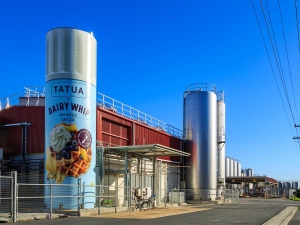
Waikato milk processor Tatua has again declared a record milk payout to farmer shareholders, leaving other processors in the dust.
A Labour-led Government won’t be bringing back the controversial freshwater rules of 2020.
National’s much-touted free trade deal with India featured in the Rural Issues Debate at Mystery Creek, Hamilton on Wednesday night.
New Zealand's 2026-27 freshwater fishing season has opened, with anglers encouraged to head to rivers and lakes over the coming days as conditions look favourable across much of the country.
Central Otago District Council (CODC) has voted against a plan to spread treated sewage sludge from Cromwell and Alexandra on farmland near Lauder, a decision Federated Farmers says reflects strong opposition from rural residents.





OPINION: The same mainstream media muppets that brought you Jacindamania in 2017 have been flat out pimping for the Opportunities…
OPINION: Your old mate reckons the atrocious way farmers in the UK are treated by their lords and masters in…