
Rural Contractors Urged to Renegotiate Contracts as Fuel Prices Surge
Rural contractors are getting guidance on how to deal with recent rising fuel prices.




 increase font size
 NZ rural contractors bring in overseas operators every spring from Europe, UK and the US to supplement local operators in harvesting crops and silage.
A retired Northland farmer and machinery driver says rural contractors must take some blame for the current shortage of skilled operators.
An estimated 28 million tonnes of crop worth $110 million will be at risk if overseas machinery operators are not allowed into the country, according to a survey by Rural Contractors of NZ.
The Bay of Island farmer, who preferred his name not to be used with this article, says contractors should stop moaning and reflect on what they have done to encourage and train local operators.
“These contractors want to pay minimum hourly rates and expect staff to work over a standard 13-hour day as the crop has to be harvested,” he told Rural News.
“I am available but I am not succumbing to slave labour or feeling guilty for asking for a fair and reasonable pay rate.”
Rural Contractors NZ executive director Roger Parton says if contractors charge farmers more, they end up looking for cheaper contractors.
Parton says recruiting and training young people for driving jobs in agriculture hasn’t been easy.
“Working in rural areas doesn’t appeal to young people; there is no broadband, they can’t use their phones and there’s no corner dairy for them to buy their lunch.”
Rural contractors are getting guidance on how to deal with recent rising fuel prices.

Rural contractors will be able to play a role in the revamped agricultural plastic recycling scheme with new regulations due for Cabinet signoff before this year’s election.
Rural Contractors NZ says members are frustrated at having to work through more layers to get visas approved for skilled seasonal machinery operators ahead of the imminent season start. Andrew Olsen comments.
Rural contractors deserve to be listened to on safety issues created by new roading developments which don’t allow motorists to pass slow-moving vehicles, says Associate Agriculture Minister Andrew Hoggard.
When the new National-led government is finally formed there will be a long list waiting for it to action from the primary industries sector.


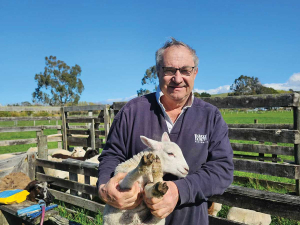
Decades piloting planes has ensured vet and farmer David Hayes is focused on safety. So, after a serious accident while welding on farm, he is sharing his experience so others can learn from it.
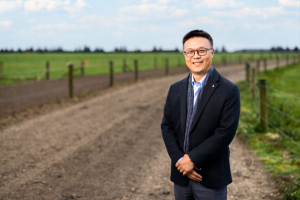
Canterbury milk processor, Synlait Milk has confirmed Leon Fung as its chief executive officer.
OPINION: Making it easier to collect rainwater and use it to grow crops and livestock is a no brainer.
As part of its Election 2026 coverage, Rural News asked political parties how they would help pull the arable sector out of the doldrums. Here's what they said:
Farmers are being encouraged to rethink how they manage waste on farm with the launch of ruralwastesorted.co.nz, a new website bringing together practical tips, real farmer experiences and resources.
New Zealand Winegrowers (NZW) is celebrating the India-New Zealand Free Trade Agreement (FTA) coming into force today, bringing New Zealand wine improved access to one of the world’s fastest-growing economies.



OPINION: The same mainstream media muppets that brought you Jacindamania in 2017 have been flat out pimping for the Opportunities…
OPINION: Your old mate reckons the atrocious way farmers in the UK are treated by their lords and masters in…




