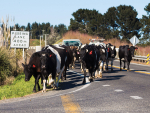
Ospri Urges Farmers To Prepare NAIT Records Before Moving Day
Moving Day (June 1) is just around the corner and farmers who are moving farms with the herd are being urged by Ospri to start preparations now.




 increase font size
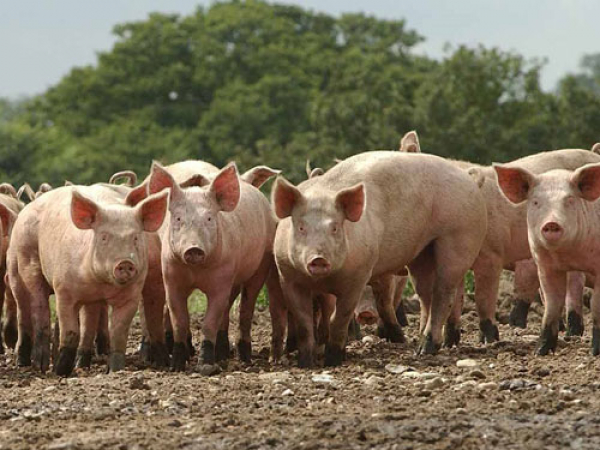 Hunters are being reminded not to release and relocate pigs into new areas.
Don’t release and relocate pigs into new areas.
That’s the message from OSPRI, which says the practice is illegal and can also spread disease in the area.
OSPRI’s North Island regional partner Phil Dawson says work done to eradicate TB in possums can be undone by the reintroduction of TB-infected pigs with the potential for spill back of infection into the possum population.
“Essentially moving and releasing pigs from one area to another area can also introduce TB into an area,” he says.
“Possums can scavenge a hunted pig carcass or offal and get infected with TB.”
Meanwhile, Steve McFall from the Te Kuiti Pig Hunting Club says that anyone who is releasing pigs from an area that is TB country is putting pig hunting at risk and could severely restrict hunting in that region.
“The ramifications for livestock are huge, and it also negatively impacts the pig hunter because if TB is found in wildlife in the region any control measures taken can interrupt hunting in that area,” he says.
"I’ve had the example of this in my own region - back in 2016 or 2017 when a pig was caught and tested positive for bovine TB, the DNA from the head showed it was from Hawke’s Bay. There we were in King Country, so our area had to have livestock movement restrictions until we were in the clear."
McFall says the problem with pigs is that while they are considered a dead-end, meaning they can’t spread TB, once the offal is gutted and left behind, that offal can be eaten by possums and ferrets and they in turn can spread the disease.
"To rid the area of TB may well mean the use 1080 aerial control which can severely restrict hunting in the area and the use of dogs for many months as well restricting movement of cattle and deer. This is obviously not a happy situation for anyone, hunters and farmers alike," he says.
To avoid any of these limitations to hunting, the simplest solution is not to move pigs. For further information about this and what to do if you come across a pig with suspicious lesions, visit: www.ospri.co.nz/tb-and-pest-control/hunters/
Moving Day (June 1) is just around the corner and farmers who are moving farms with the herd are being urged by Ospri to start preparations now.

Ospri is reducing TB testing frequencies and movement control measures as the disease risk subsidies in parts of the country.
From 1 October, new livestock movement restrictions will be introduced in parts of Central Otago dealing with infected possums spreading bovine TB to livestock.
The move to bring bovine TB testing in-house at Ospri officially started this month, as a team of 37 skilled and experienced technicians begin work with the disease eradication agency.
Southland farmer and director Tony Cleland has been named OSPRI New Zealand’s new chair.


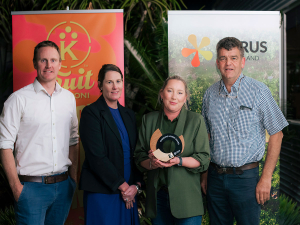
New Zealand's citrus growers were challenged to build their future on the value embedded in their fruit rather than the volume they produce, at Citrus New Zealand's annual gathering in Gisborne on 17 September.
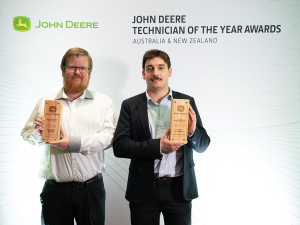
Leading John Deere technicians and apprentices from New Zealand and Australians were recognised at the recent sixth annual JD Technician of the Year Awards, held in Brisbane.
In Dacre, near Invercargill in New Zealand’s South Island, Bruce Dinnington is running a dairy operation unlike any other.
A free online platform aggregating governance vacancies across rural and regional New Zealand has been launched.
Environment Minister Nicola Grigg has announced details of a new rural plastics recycling scheme.
Agricultural drone operators say that a government decision to allow lower-risk drone work without certification won’t lower standards but drive innovation and efficiency.




OPINION: The same mainstream media muppets that brought you Jacindamania in 2017 have been flat out pimping for the Opportunities…
OPINION: Your old mate reckons the atrocious way farmers in the UK are treated by their lords and masters in…