
Damien O’Connor Criticises Budget 2026 as ‘Miserable’ for Rural New Zealand
A miserable budget that didn’t deliver much for anyone.




 increase font size
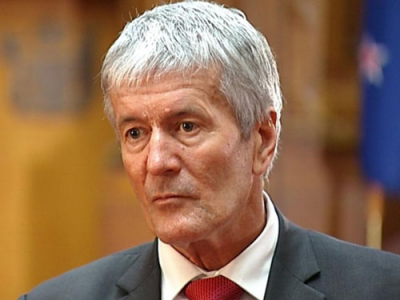 Damien O'Connor.
Agriculture Minister Damien O’Connor, heads to Thailand today to attend the final Regional Comprehensive Economic Partnership (RCEP) Ministerial meeting, as negotiations enter their final stages.
O’Connor who is also Minister of State for Trade and Export Growth, is away for three days.
“The RCEP Agreement would anchor New Zealand in a regional agreement that covers 16 countries, almost half the world’s population and markets that take more than half our total exports. It could also provide us a free trade relationship with India, a fast-growing economy with a GDP of more than $2.6 trillion in 2018,’’ O’Connor said.
With just one month to go before leaders aim to announce conclusion of the negotiations, the meeting in Bangkok this weekend will be focused on resolving outstanding political issues.
“We consider conclusion in 2019 is achievable but only if urgency and momentum build between now and the end of the year.
“An accommodation between the big economies will be key. There is building confidence that all sixteen participants are committed to realising the value of RCEP this year.
‘’In addition to the direct commercial benefits, a successful RCEP would have significant strategic value. At a time of considerable turbulence in international trade policy – the sharpest rise in protectionism since 1995, erosion of support for the multilateral trading system, increasing unilateralism – regional integration initiatives such as RCEP become increasingly valuable,” he said.
A miserable budget that didn’t deliver much for anyone.

National's decision to ‘dribble’ information about the NZ/India to Labour contributed to the delay in it deciding to supported the FTA.
When it comes to international trade, politicians from all sides of the aisle are united, says Labour's trade spokesman Damien O'Connor.
Federated Farmers have reiterated their support for the coalition Government to abolish the present ban on the live export of animals.
As the coalition Government mulls new regulations to reinstate the export of live animals, debate is heating up between supporters and opponents.


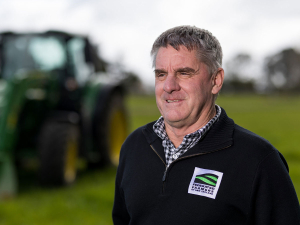
National’s pledge to introduce 19 new national standards shows the party is serious about getting Wellington out of farming, Federated Farmers says.
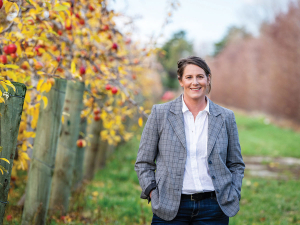
The National Party’s policies to make it easier to grow fresh vegetables, secure reliable water and energy and simplify farm planning are practical changes that will give growers the confidence to invest, according to Horticulture New Zealand (HortNZ).
Fonterra Co-operative Group chief financial officer Andrew Murray has resigned to take up a role outside the dairy giant.
A major move is about to get underway to improve the quality and viability of dairy beef and cattle in NZ.
Veterinarians say changes to the code of welfare for dairy cattle provides a positive foundation for improved cattle welfare across the country.
Today, 15 October, is the International Day of Rural Women, which recognises rural women’s contribution to farming, communities and the environment.




OPINION: The same mainstream media muppets that brought you Jacindamania in 2017 have been flat out pimping for the Opportunities…
OPINION: Your old mate reckons the atrocious way farmers in the UK are treated by their lords and masters in…




