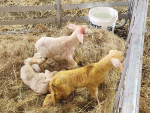
Beef + Lamb NZ's Lambing Kit Checklist for a Tough Season
With lambing underway in many regions, Beef + Lamb New Zealand is encouraging farmers to put together a wellequipped lambing kit to help minimise lamb losses, particularly in bad weather.




 increase font size
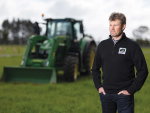
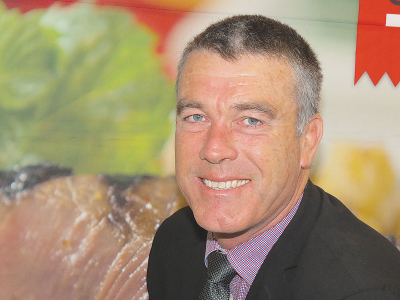 Miles Anderson.
The Wool Industry Working Group has found common ground that all players in the industry agree on, says chairman Miles Anderson.
“It is early days but I am quite confident. There is a willingness and determination from all participants to have concrete outcomes beneficial to the industry as a whole,” he told Rural News.
“It is positive. It has been refreshing to be involved thus far because this sort of thing has been tried in the past and there have been failures, probably due to patch protection and so on.
“Whereas, at this stage everyone [in the Wool Industry Working Group] has been very open and collaborative in their approach, which is excellent.”
An independent chair has been appointed, John Rodwell, and representatives are meeting next month to work on an action plan. Terms of reference have been drawn up.
“We are going down the path now of having a smaller representation from the Wool Industry Working Group to work on the action plan.”
Many people have been involved since its inception last year to ensure a wide cross section of the industry felt represented.
Anderson, who is also Federated Farmers meat and wool chair, says they now can narrow that down to a smaller number in an ‘action group’ under the independent chair.
They will continually feed back to the stakeholders and follow the lead of the wider group. They will be empowered to get the work done, he says.
Anderson says a wool levy is not a definite part of the proposition at this stage. However, it will be part of the discussion once an action plan has been developed and funding options are under consideration.
“The Government is supporting the work the group is doing over the next six or so months and the onus is on the group to come up with a collaborative action plan. It will be a long term solution to some of the issues the wool industry has,” he told Rural News.
“If we can come up with the plan that everyone agrees on, which I am sure we will, then we have to talk about how we make sure it is sustainable long term.
“That will involve discussions of the long term funding of the entity or whatever [the structure] looks like when the plan is finished. We are not going in with any preconceived ideas.”
New chair
John Rodwell is the new independent chair of the Wool Industry Working Group.
Rodwell has a background in corporate finance, investment banking and agribusiness.
He is the founder and part-owner of Kintore Dairy Farm and co-founder of Lindis Crossing Station (lambs, steers and deer). He is also a part-owner of Alpine Pastures Ltd, which buys, markets and distributes sheep and beef stock.
He is the founder of BGA Lao Plantation Forestry Ltd, Lao People’s Democratic Republic and a plantation forestry business. He is a director of Landcare Research/Manaaki Whenua, chair of Waka Aotearoa and a member of the Primary Sector Council.
With lambing underway in many regions, Beef + Lamb New Zealand is encouraging farmers to put together a wellequipped lambing kit to help minimise lamb losses, particularly in bad weather.

New Zealand wool is reaching new heights as air filtration companies move away from synthetic products to biodegradable alternatives.
Will a stronger, more coordinated voice help rebuild confidence and improve returns in the wool sector?
OPINION: Confidence in the wool sector is rebounding as prices hit levels not seen in more than 15 years.
The recently signed free trade agreement with India is an invitation to strengthen relationships between the New Zealand and Indian strong wool industries, says Wool Impact chief executive Andy Caughey.


National’s pledge to introduce 19 new national standards shows the party is serious about getting Wellington out of farming, Federated Farmers says.
The National Party’s policies to make it easier to grow fresh vegetables, secure reliable water and energy and simplify farm planning are practical changes that will give growers the confidence to invest, according to Horticulture New Zealand (HortNZ).
Fonterra Co-operative Group chief financial officer Andrew Murray has resigned to take up a role outside the dairy giant.
A major move is about to get underway to improve the quality and viability of dairy beef and cattle in NZ.
Veterinarians say changes to the code of welfare for dairy cattle provides a positive foundation for improved cattle welfare across the country.
Today, 15 October, is the International Day of Rural Women, which recognises rural women’s contribution to farming, communities and the environment.


OPINION: The same mainstream media muppets that brought you Jacindamania in 2017 have been flat out pimping for the Opportunities…
OPINION: Your old mate reckons the atrocious way farmers in the UK are treated by their lords and masters in…




