Faster internet speed
Rural internet suppliers have improved their time-of-day (TOD) performance over the last 12 months, now matching ADSL and VDSL in urban areas.




 increase font size
 So far there is a 35.6% uptake across the RBI network.
All rural hospitals are now able to connect to rural broadband and the Government aims to reach all schools and 90% of businesses by the end of the year, says Communications Minister Amy Adams.
The latest quarterly report for phase one of the Rural Broadband Initiative (RBI) build as at September 30 shows 271,000 rural addresses can connect to the network.
"With 35.6% uptake across the network, RBI is making sure that New Zealanders living in our rural and remote areas can enjoy the benefits of faster, better internet," Adams says.
More than 102,000 rural copper lines have been upgraded and 122 new towers are now ready for service with a further 324 towers upgraded.
The RBI programme has been subject to eight independent audits with another one underway, which shows the programme is meeting its targets and working as expected.
Adams says the Government is now looking ahead at enhancing and extending RBI to as many people as possible.
"We've allocated an extra $100 million to expand the Rural Broadband programme as well as $50 million to improve mobile coverage in black spot areas along main highways and in popular tourist destinations.
"We've got a bold 2025 target of 99% of New Zealanders able to access peak speeds of at least 50 Mbps – which is a 10-fold increase on RBI peak speeds. I'm proud to be putting rural connectivity at the heart of our regional economy development strategy."
At a glance:
Rural internet suppliers have improved their time-of-day (TOD) performance over the last 12 months, now matching ADSL and VDSL in urban areas.

Improved broadband and mobile services for rural New Zealand will grow regional economies and boost tourism in key destinations, Communications Minister Amy Adams says.
The first phase of the government's rural broadband initiative (RBI) is now complete.
Companies which have high internet usage are currently 4 years ahead, 6% more productive and generate 20% more revenue compared with an average firm.
All rural public hospitals and integrated family health centres now have access to high speed broadband, says Health Minister Jonathan Coleman and Communications Minister Amy Adams.


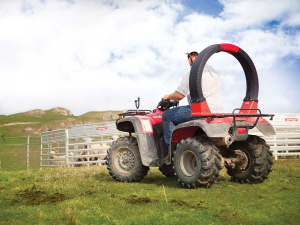
When Northland leather worker Vernon Suckling started making horse saddles 50 years ago, quad bikes and side-by-side vehicles were unheard of.
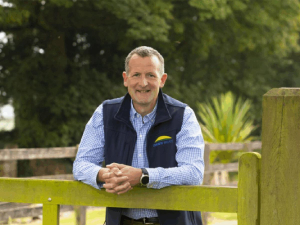
Alliance Group has confirmed that eligible farmer-shareholders who supply and continue to back the business will receive up to $20 million later this year, following the strategic investment partnership with Dawn Meats.
With a general election under five weeks away, Rural News is asking major political parties about their policies and positions on key issues facing the primary sector. We will run their responses to each question over the next four weeks. The ACT Party and the Greens didn't respond in time.
The red meat sector is in great heart.
Dr Scott Champion, Foundation for Arable Research chief executive, says that everyone in the supply chain had a role to play in driving the sector's long-term success.
Entries opened on Monday, 5 October 2026 for the 2027 New Zealand Dairy Industry Awards (NZDIA), which organisers describe as the nation's biggest celebration of excellence in the dairy sector.




OPINION: The same mainstream media muppets that brought you Jacindamania in 2017 have been flat out pimping for the Opportunities…
OPINION: Your old mate reckons the atrocious way farmers in the UK are treated by their lords and masters in…