The Ministry for Primary Industries (MPI) is funding an initiative to help migrants living in rural Mid Canterbury get a driver's licence.
Under the programme, up to 24 mainly migrant women who live on rural properties or in small towns will be enrolled in a road code course to gain a learner's licence.
MPI is providing $20,000 for the programme to be delivered by the Mid Canterbury Rural Driver Licensing Scheme. The scheme has so far helped more than 70 people through its road code course since 2018.
"It can be incredibly difficult living in a rural area without a driver’s licence. Calling an uber or a taxi isn’t an option. It can also be isolating if you’re new to a district. Being unable to travel limits people’s ability to socialise, make friends and integrated into the community,” says MPI director of rural communities and farming support Nick Story.
The scheme is a partnership between Safer Mid Canterbury and the Mid Canterbury Rural Support Trust.
MPI's funding will enable the scheme to continue providing its skill-building programme in the 2021-22 financial year.
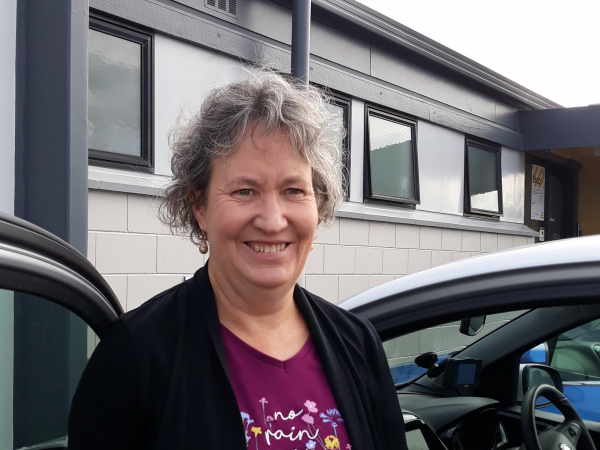
“We were facing the prospect of having to reduce the number of people we help gain licences each year due to reduced funding as a result of Covid-19. MPI’s support will ensure we can keep operating,” says Wendy Hewitt, programme coordinator of the Mid Canterbury Rural Driver Licensing Scheme.
“Not having a driver’s licence in a rural or regional area can make it impossible for a person to find work and earn an income.”
Hewitt says once people have passed their learner's test they are paired with a volunteer driving mentor to begin working towards their restricted licence.
The scheme has already helped 32 people to obtain a restricted or full licence, of those 25 have since gained employment.
Hewitt says it's also had other benefits such as people forming new friendships, joining clubs, and boosting confidence and self-esteem.
The scheme provides transport to class, childcare for participants' children while they're learning, and up to four professional driving lessons.
Funding for the new initiative was provided in Budget 2020. MPI was allocated $1.1 million over three years to deliver extra wellbeing and support services to complement those provided by Rural Support Trusts.