A meat industry stalwart says the rejection of a joint marketing model between processors and farmers is a missed opportunity.
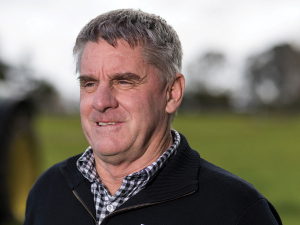
North Canterbury farmer Andy Fox says if approved the proposed deal would have boosted confidence among sheep and beef farmers, embroiled in constant infighting in the meat industry.
It would also have presented the meat industry as a cohesive group, helping to attract funding from the Government.
Under the deal floated by Beef + Lamb New Zealand, a 50:50 funded market development entity would have focussed on country-of-origin promotion; it was hoped companies would split $8 million a year funding the organisation currently puts into meat promotion.
Fox says the proposal by BLNZ had merits, but the failure to get all meat processors on board led to its demise.
“A cornerstone of the proposal was [agreement that] everyone must be in it,” Fox told Rural News, “so that everyone contributed. [Otherwise,] those who did not contribute -- the free riders -- could therefore also potentially benefit.
“As long as I have been involved with meat company boards or sitting around industry good organisations, the fear of the free rider has been a limiting factor. Instead of just getting on with it, they won’t do it because someone else might get something for free.”
Fox served for 10 years as a Silver Fern Farms director and nine years as a board member of BLNZ and the New Zealand Meat Board.
He says many farmers would be disappointed because the proposal would have given them the opportunity to work together with processors on marketing for the first time.
“From my time in Wellington, I have noticed the constant infighting within the meat industry; we don’t present a cohesive group for any assistance from the central Government.
“I believe he same amount of disagreement takes place within the dairy industry but the difference is it takes place behind closed doors; in the meat industry there are often open scraps between farmers and different meat companies and between the companies themselves.”
Fox says if nothing the proposed marketing entity would have boosted morale among farmers.
“For the first time in history, the industry -- processing, distribution, shipping and exporting -- would have come together with people who produce the raw material in a joint country-of-origin marketing.”
BLNZ wants its farmer levy payers to decide whether they would continue funding meat promotion and, if so, at what level. Farmers will decide on promotional funding when BLNZ holds a referendum in spring to renew its levies.
Fox believes in light of the meat companies’ decision BLNZ should pull out of marketing and let the companies do their own thing. “The industry has chosen to go it alone; I hope Beef + Lamb has the balls to say ‘we’ve led the horse to water, you’ve chosen not to drink so we are going to let the horse go free’.”
Fox hopes BLNZ will return to its core business of delivering value behind the farmgate.
“We will do what we know our farmers value -- R&D and technology transfer to farmers behind the farmgate.”
He points out that one of BLNZ’s best spends is on trade access; whether this remains with the organisation or is spun off to the New Zealand Meat Board remains to be seen.