
Tongan Student Wins Final William Gearish Award
Vetekina Pau'u is the first Tongan to win the William Gearish Memorial prize and sadly she will also be the last recipient.




 increase font size
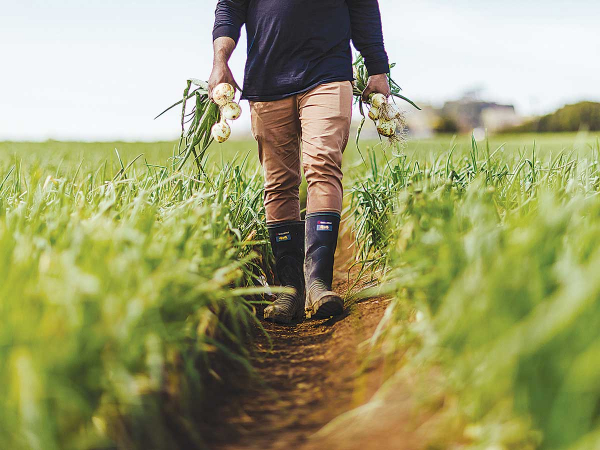 Five research primary sector projects have been announced as recipients of funding from the Massey - Lincoln and Agricultural Industry Trust Capability Development and Research Fund.
Five research projects which will benefit the primary sector have been announced as recipients of funding from the Massey – Lincoln and Agricultural Industry Trust Capability Development and Research Fund (MLAIT CDR).
The year-long projects which are led by researchers from Massey and Lincoln Universities have received combined funding of $611,000.
Spanning a diverse range of research topics and approaches, these projects reflect the highly collaborative intent of the fund, with teams comprising researchers from both universities working alongside industry partners and stakeholders to achieve positive impacts for the primary sector.
The research topics include creating novel 3D printed foods from plant and animal proteins, delivering a resilience and positive mental health programme for students from the rural community, and converting wastewater from legume manufacturing processes into high-value, nutritious ingredients.
Massey University’s Provost Professor Giselle Byrnes says collaborating with Lincoln University strengthens the outputs of the projects.
“Both universities are internationally recognised for our research, teaching and knowledge translation across the broad fields of agriculture, horticulture, agri-technology and biological sciences. The CDR Fund seeks to capitalise on these strengths, by supporting genuine collaborations between the two universities, working alongside industry stakeholders and end users,” Byrnes says.
Professor Travis Glare, Director of Lincoln’s Research Management Office says that the projects offer the potential to deliver a high degree of capability development in a way that will maximise benefits to New Zealand’s primary sector.
“These projects will foster productive collaborations between the two universities and with industry and other relevant stakeholders,” Glare says.
Vetekina Pau'u is the first Tongan to win the William Gearish Memorial prize and sadly she will also be the last recipient.
Researchers at Massey University are using a special piece of scientific equipment to improve the measurement of greenhouse gas emissions from pasture soils.
Interest in agritech and production animal systems has prompted Massey University's School of Agriculture and the Environment to new majors to its popular animal science degree.
Speculation of a possible joint move by Fonterra and a2 Milk to buy Synlait raises a much bigger strategic question, says agribusiness expert Dr Nic Lees.
The industry is crying out for graduates with agricultural related degrees.



Federated Farmers has welcomed new rural policies released by ACT, saying they align closely with its own election priorities.

Rural Contractors NZ says proposed changes to land transport rules for agricultural vehicles are a welcome response by the Government to out of date regulations which have seen members hit with huge fines.
Alliance is calling for final applications for its 2027 Graduate Programme, with applications closing on Sunday 25 October.
Decades piloting planes has ensured vet and farmer David Hayes is focused on safety. So, after a serious accident while welding on farm, he is sharing his experience so others can learn from it.
Canterbury milk processor, Synlait Milk has confirmed Leon Fung as its chief executive officer.
OPINION: Making it easier to collect rainwater and use it to grow crops and livestock is a no brainer.



OPINION: The same mainstream media muppets that brought you Jacindamania in 2017 have been flat out pimping for the Opportunities…
OPINION: Your old mate reckons the atrocious way farmers in the UK are treated by their lords and masters in…




