
Wools of New Zealand Calls for India FTA to Boost Farmer Returns
Wools of New Zealand is joining calls for New Zealand to urgently ratify a Free Trade Agreement with India.




 increase font size
 John McWhirter, Wools of NZ chief executive.
Wools of New Zealand chief executive John McWhirter says its new direct-to-consumer wool carpet service, Laneve, is the next step in the development of the business.
The website is designed to support customers from first look to final installation, with online browsing, samples delivered to the door, an indicative ‘supply-and-install’ quote, and a free in-home installer visit to confirm measurements.
A room visualiser also enables customers to see how different colours and styles will look in their own space before purchasing.
“Online retail has expanded worldwide and is working well for our customers around the globe,” McWhirter told Rural News.
He says that with 90% of New Zealand wool sold overseas, Wools of New Zealand needs a global focus.
“Establishing an online service allows us to scale the business in line with the way consumers increasingly shop.”
McWhirter says that Laneve is competitively priced against synthetic flooring, depending on the product.
“Customers can choose options at different price points to suit their needs and budget. Importantly, they can browse a broad range of wool carpets and make an informed choice,” he says.
He says that Laneve makes purchasing carpet simpler and more transparent.
“In a bricks-and-mortar store, customers can sometimes leave without a clear understanding of the total cost,” McWhirter says. “With Laneve, customers can visit the website, get answers to their questions, explore the range and see indicative fully fitted prices, without feeling under any obligation.”
He says Wools of New Zealand is still committed to its existing retailer network, ranging from retailers that order and sell Wools of New Zealand carpets to major retailers offering an exclusive branded range.
“To ensure clear separation, Laneve has its own product range, which is distinct from the other brands owned and sold through the retailers by Wools of New Zealand.”
McWhirter adds that the value flowing back to farmers needs to be considered in the context of the wider wool industry.
“Wool has struggled to achieve satisfactory prices over the past decade, as part of a decline dating back about 40 years,” he says.
McWhirter says that the issue was that wool supply exceeded demand, driving prices down.
Wools of New Zealand is joining calls for New Zealand to urgently ratify a Free Trade Agreement with India.
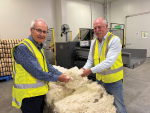
Keratin biomaterials company Keraplast and Wools of New Zealand have signed a new superpremium wool contract which is said to deliver a boost to wool growers.
Wool farmers are hoping that efforts by two leading companies to develop a more efficient supply chain would eventually boost farmgate returns.
Wools of New Zealand has signed a partnership agreement with a leading Chinese manufacturer as the company looks to further grow demand in China and globally.
Chinese textile company Saibosi has partnered with Wools of New Zealand to put the 'farm to floor' story of New Zealand wool rugs on screen for its customers.


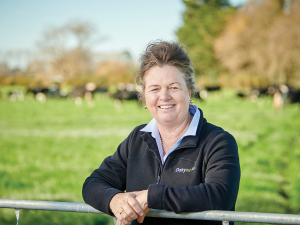
Farmers have until the end of this week to help shape DairyNZ’s future focus.
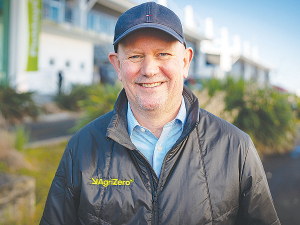
Wayne McNee, chief executive of AgriZeroNZ, has resigned and will leave the organisation on 15 January 2027.
The New Zealand dairy sector set a record in the 2025/26 season, producing more than two billion kilograms of milksolids for the first time.
Milk powder prices are continuing their merry run, firming up a potential $10/kgMS farmgate price this season.
Teachers are welcoming the outgoing Government’s U-turn allowing agriculture and horticultural science to remain a standalone Year 11 subject.
Outgoing ACT MP and dairy farmer Mark Cameron says Saturday’s election result reflects voters deeply impacted by the cost of living.





OPINION: The same mainstream media muppets that brought you Jacindamania in 2017 have been flat out pimping for the Opportunities…
OPINION: Your old mate reckons the atrocious way farmers in the UK are treated by their lords and masters in…