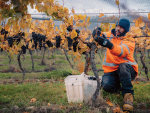
SWNZ Strengthens People Pillar for Global Markets
With ethical employment practices a "hot topic" in key markets, Sustainable Winegrowing New Zealand (SWNZ) is strengthening its People Pillar.




 increase font size
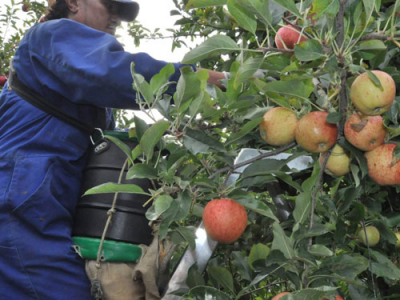 The declaration comes in response to discussions with pipfruit leaders, industry experts, and the MBIE.
The Government has declared a seasonal labour shortage across Hawke’s Bay.
The declaration allows visitor visa holders to apply for a variation of conditions, which will enable them to work on orchards and vineyards in the Hawke’s Bay.
The shortage is for a six-week period between February 25 and April 5; declaration comes in response to discussions with pipfruit leaders, industry experts, and the Ministry of Business, Innovation and Employment.
East Coast Regional Commissioner Annie Aranui says the shortage will be closely monitored and has assured the industry that Government will reassess the situation in four weeks’ time.
"If conditions on the ground are largely the same as what we see now, then we will consider extending this declaration."
Forecasts expect the peak harvest season for the Hawke’s Bay pipfruit industry may run until around mid-May 2019 and there is currently a worker shortage of about 300 to 400 people.
"We’re working hard to fill these positions and want to support New Zealanders into sustainable employment opportunities available in the industry."
Since October 2018, the Ministry of Social Development has placed more than 215 people into job vacancies in the local pipfruit industry with many more prepared to start employment once the main harvest is underway.
"We’d encourage anyone looking for employment, who enjoys physical work and the outdoors to get in touch. Although largely temporary, these roles are an opportunity for people seeking to get back into the workforce and can open the door to other things."
Aranui says there is also ways Work and Income can help, dependent on someone’s circumstances, to access support with training, transport, accommodation, equipment and more.
"It’s important to come and talk with us. Seasonal work provides a great opportunity for those who are capable of doing it. Many seasonal workers experience a variety of work in a range of locations and are able to stay employed year round using their diverse skills.
"We’re providing work brokerage support, training, upskilling opportunities, holding workshops and specialised seminars, job share programmes, and providing financial and case management support for our clients."
With ethical employment practices a "hot topic" in key markets, Sustainable Winegrowing New Zealand (SWNZ) is strengthening its People Pillar.

OPINION: Farmers have been clear: it is getting harder, not easier, to find and keep good people.
Building on the success of last year's events, the opportunity to attend People Expos is back for 2025, offering farmers the chance to be inspired and gain more tips and insights for their toolkits to support their people on farm.
Historically payroll software was written for commercial businesses where everything was relatively stock standard.
With a 12-year history of recruiting specialised operators from overseas to service the agricultural contracting industry, Hanzon Jobs typically brings in around 200 people to New Zealand each year from the UK and Ireland.


A dairy industry leader believes eradicating the common and costly disease, Bovine Viral Diarrhoea (BVD) is within reach.
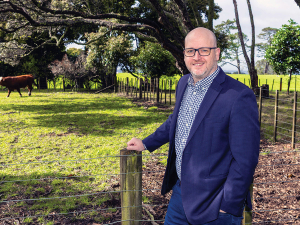
A farmgate milk price of $10/kgMS this season is firming up as milk powder prices soar and the New Zealand dollar weakens.
Federated Farmers has welcomed new rural policies released by ACT, saying they align closely with its own election priorities.
Rural Contractors NZ says proposed changes to land transport rules for agricultural vehicles are a welcome response by the Government to out of date regulations which have seen members hit with huge fines.
Alliance is calling for final applications for its 2027 Graduate Programme, with applications closing on Sunday 25 October.
Decades piloting planes has ensured vet and farmer David Hayes is focused on safety. So, after a serious accident while welding on farm, he is sharing his experience so others can learn from it.

OPINION: The same mainstream media muppets that brought you Jacindamania in 2017 have been flat out pimping for the Opportunities…
OPINION: Your old mate reckons the atrocious way farmers in the UK are treated by their lords and masters in…




