
NZ avocado growers report mixed season amid weather challenges
Avocado growers are reporting a successful season, but some are struggling to keep their operations afloat following years of bad weather.




 increase font size
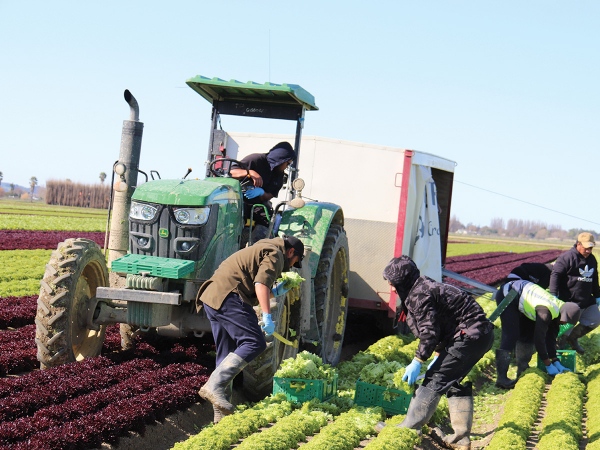 In the US, dieticians are working with health professionals on produce prescriptions to combat certain health issues – like eating more fruits and vegetables to reduce blood sugar levels in diabetics.
Imagine a world where your diagnosis is treated by what's on your plate, not by what's in a pill.
The efficacy of 'produce prescriptions' was put before 1,100 delegates at last week's World Avocado Congress in Auckland by keynote speaker Cathy Burns.
Burns, chief executive of US-based International Fresh Produce Association, told the delegates that there was a clear and significant role for food interventions in the healthcare system.
"The time to act is now because if we don't change the trajectory of how this next generation eats, they will be the first generation that doesn't live as long as its parents."
Burns sees a huge opportunity for fruit and vegetable growers in this.
She told delegates that just one in 10 American individuals eat their daily requirements of fruits and vegetables: of the required 400g per day on average they only consume 267g.
"What's interesting is that 75% of consumers agree that fruits and vegetable are required daily in their diets and that they think that they eat the right amount."
Burns says this must change.
"We are better than 1 in 10 and better than just 267g a day."
She believes the silver lining from the pandemic is that "the world now understands the association between what we put in our bodies and how we feel".
Burns added that in the US, dieticians are working with health professionals on produce prescriptions to combat certain health issues - like eating more fruits and vegetables to reduce blood sugar levels in diabetics.
"You go to a doctor, and you have an ailment, and they prescribe a prescription of fruit and vegetable," she explained. "You take that voucher to a supermarket or grocery store and get it filled on a monthly basis with zero to no cost to the patient."
She believes that produce prescriptions are a practical and scalable solution that are already demonstrating positive outcomes through federally-funded pilot programs in the US.
"You go to the doctor, you get a diagnosis, and they give you a prescription for fruits and vegetables to treat your condition," Burns added. "Imagine a world where your diagnosis is being treated by what's on your plate, not by what's in a pill.
"This could be transformational for the trajectory of human health around the world."
What A Waste!
The World Avocado Congress, held in Auckland last week, heard how $600 billion worth of food is lost just before or after harvest.
International Fresh Produce Association chief executive Cathy Burns says two thirds of those losses are edible fruits and vegetables.
Burns says supermarkets waste around $400b of food annually - about 7% of their total sales.
She says different organisations are doing different things to combat this.
In the UK, some retailers are eliminating the 'best before' date on packaging.
"They are letting consumers decide whether the food is good to eat," Burns says.
Avocado growers are reporting a successful season, but some are struggling to keep their operations afloat following years of bad weather.

While NZ Avocado is not directly involved in selling fruit, it does have a significant role in supporting exporters to develop and grow markets.
After two challenging years, the country’s avocado growers are quietly optimistic that a good year is in the making.
A new report by Rabobank says global avocado trade will continue to grow in the next few years, but the market will be more competitive.
New Zealand may only produce 2% of the world avocado crop but the sector is a key part of our horticulture sector.



National’s pledge to introduce 19 new national standards shows the party is serious about getting Wellington out of farming, Federated Farmers says.
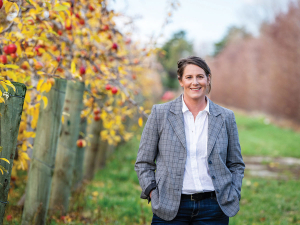
The National Party’s policies to make it easier to grow fresh vegetables, secure reliable water and energy and simplify farm planning are practical changes that will give growers the confidence to invest, according to Horticulture New Zealand (HortNZ).
Fonterra Co-operative Group chief financial officer Andrew Murray has resigned to take up a role outside the dairy giant.
A major move is about to get underway to improve the quality and viability of dairy beef and cattle in NZ.
Veterinarians say changes to the code of welfare for dairy cattle provides a positive foundation for improved cattle welfare across the country.
Today, 15 October, is the International Day of Rural Women, which recognises rural women’s contribution to farming, communities and the environment.





OPINION: The same mainstream media muppets that brought you Jacindamania in 2017 have been flat out pimping for the Opportunities…
OPINION: Your old mate reckons the atrocious way farmers in the UK are treated by their lords and masters in…




