
India FTA Removes 33% Tariff on NZ Sheepmeat
New Zealand’s red meat sector has welcomed the India-New Zealand Free Trade Agreement taking effect, which removes India’s 33% tariff on New Zealand sheepmeat.




 increase font size
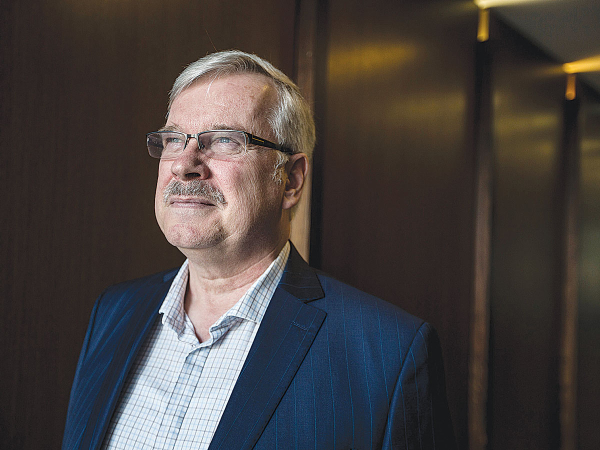 Stephen Jacobi
Leading trade analyst Stephen Jacobi has rubbished claims that New Zealand could have got a better free trade deal with India if it had prolonged the negotiations.
He told Rural News that NZ had a window to get this deal now and that if we hadn’t taken it, the next opportunity could have been years away, with no guarantee of a better deal.
He says he was a bit critical at the time the EU deal was announced and thought that maybe it was concluded a bit early.
“But this one is a different kettle of fish, and the scale of this opportunity cannot be underestimated.
“The present agreement is very advantageous, especially for some sectors like sheepmeat, and that is a very big gain. Also, kiwifruit and apples, although the tariffs are still quite high for fruit over the tariff quota, but I understand that both industries are quite happy with that,” he says.
Jacobi says while the deal wasn’t so good for dairy, that sector wasn’t completely excluded, with some higher value dairy product included. He says there was also an undertaking to at least reexamine some of the dairy tariff issues with India. He says there is understandable disappointment within the dairy industry.
“But India wasn’t going to budge on that. India’s dairy production cannot meet all the needs of its population, so over time maybe something will change, but this is not going to happen in the immediate future,” he says.
Jacobi says the high tariffs on NZ wine are likely to remain until India concludes an FTA with the EU, then some deal with NZ may be done.
He says the FTA must be seen in the context of a very disruptive international environment and it was simply not possible to get the sort of gains that we had earlier, for example with China or even the Comprehensive and Progressive Agreement for Trans-Pacific Partnership (CPTPP).
He says the new FTA gives NZ a unique opportunity now to develop its relationship with India.
“This is the third time we have tried to get a deal with India and so I totally understand the Government’s decision to take it. Of course, this doesn’t mean it’s magically going to be a success overnight, because tariffs are still quite high on several items; it’s going to take a long time for it to get going. But it has given us quite a good base to develop this economic relationship,” he says.
New Zealand’s red meat sector has welcomed the India-New Zealand Free Trade Agreement taking effect, which removes India’s 33% tariff on New Zealand sheepmeat.

More than 95 per cent of New Zealand’s forestry and wood exports to India can now enter tariff free as the New Zealand-India Free Trade Agreement comes into force today.
Zespri has welcomed the entry into force of the India-New Zealand Free Trade Agreement today, calling it a significant milestone that will support long-term growth in one of the world’s largest and fastest-growing consumer markets.
A seasoned horticulturist has been appointed to deliver the Apple Action Plan, a key initiative of the India-New Zealand Free Trade Agreement.
National’s much-touted free trade deal with India featured in the Rural Issues Debate at Mystery Creek, Hamilton on Wednesday night.


Farmers are being encouraged to rethink how they manage waste on farm with the launch of ruralwastesorted.co.nz, a new website bringing together practical tips, real farmer experiences and resources.

New Zealand Winegrowers (NZW) is celebrating the India-New Zealand Free Trade Agreement (FTA) coming into force today, bringing New Zealand wine improved access to one of the world’s fastest-growing economies.
New Zealand’s red meat sector has welcomed the India-New Zealand Free Trade Agreement taking effect, which removes India’s 33% tariff on New Zealand sheepmeat.
More than 95 per cent of New Zealand’s forestry and wood exports to India can now enter tariff free as the New Zealand-India Free Trade Agreement comes into force today.
Federated Farmers is backing Feilding High School’s call to keep Agriculture and Horticultural Science as a standalone subject in Year 11.
Food and fibre exports have returned a billion- dollar bonus to the country.




OPINION: The same mainstream media muppets that brought you Jacindamania in 2017 have been flat out pimping for the Opportunities…
OPINION: Your old mate reckons the atrocious way farmers in the UK are treated by their lords and masters in…




