
Ombudsman issues insurance advice
As storms and flooding continue to batter the East Coast, the Insurance & Financial Services Ombudsman has issued advice for those impacted and looking to claim with their insurer.




 increase font size
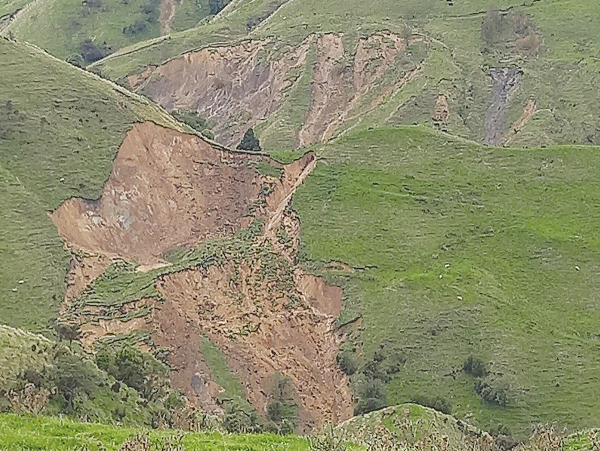 A big slip out the back of Mangaroa Station that took out the fence, which was noticed on the Thursday after the storm. It did have 24 sheep on it, but these were all shifted to safety. Photo: Supplied.
Typical of the farms damaged in the storm in the south of the East Coast is Mangaroa Station, owned by Nuku and Bart Hadfield - winners in 2015 of the Ahuwhenua Trophy for the top Māori sheep and beef farm.
Their farm is typical hill country, situated in the Ruakituri Valley, about 60km northwest of Wairoa, where they run just over 12,000 stock units.
The Hadfields have been on the farm for over 20 years and have never experienced anything like this before. Nuku says people who were in their valley when cyclone Bola struck have told her this storm has caused more damage to their farms than Bola. She says one farm in the district received more than a metre of rain during the storm, which goes a long way to explaining the extent of the damage.
As a result of this latest storm, their property is challenging them in a way it's never done before. There are at least 300 slips on the farms, tracks are cut and blocked and the only way to see the extent of the damage is by horse - and that's what Nuku and Bart and some of their whānau have been doing this week. They still don't know what their stock losses might be and this won't be possible until they can get them into yards and do the tallies.
"We are not sure how badly damaged our fences are, but from a distance we can see some hanging in the air," Nuku told Rural News. "We are also not certain if mobs have been mixed and we accept that some sheep will have to be hunted down from the tops of the farm."
Hadfield says initiallly the road into their farm was blocked, but husband Bart and friend managed to clear it enough so they could get into Wairoa. They hope to get a digger on the property soon, but with so much damage in the region there is a waiting list to get a digger.
"We are still in the assessing stage, because when you get to a slip you often find there is another one," she adds. "You often find you can't take stock a certain way because a culvert been blown out, so we're still trying to sort things out and make plans."
Nuku Hadfield says she's aware boundary fences have been broken on some properties and stock mixed, which creates all sorts of problems. She says some have had helocopter pilots drop them high up on their farms so they can open some gates and free up some paddocks to let stock out. While they don't get cell phone coverage at Mangaroa Station, their land-line has not been affected and for the most part internet coverage has remained. Hadfield says to some degree the damage in the Wairoa district has not received the same media profile as the damage further north, which she acknowledges is also very bad. The other issues that concerns her is the large number of Māori farms in the region and how they may be affected.
In the meantime, the Hadfields - like many other farmers on the East Coast - are facing the unenviable task of getting their farms back up and running in some sort of order before winter sets in.
As storms and flooding continue to batter the East Coast, the Insurance & Financial Services Ombudsman has issued advice for those impacted and looking to claim with their insurer.
Federated Farmers Gisborne/Wairoa president Charlie Reynolds says farmers are in need of emotional support after rain, wind and flooding hit the region this week.
Minister for Emergency Management Mark Mitchell says the Mayoral Fund has been triggered, activating $300,000 for regional recovery after severe weather hit the East Coast this week.
The impact on rural residents after back-to-back severe weather events earlier this year has been detailed in a new report.
Peter Andrew, director of AgFirst in Gisborne, says farmers are starting to put things back together following the recent storm that caused massive slips on hill country farms and damaged crops on the flats.


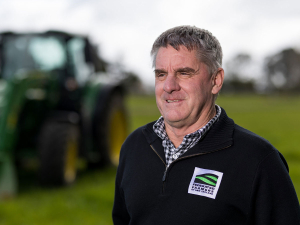
National’s pledge to introduce 19 new national standards shows the party is serious about getting Wellington out of farming, Federated Farmers says.
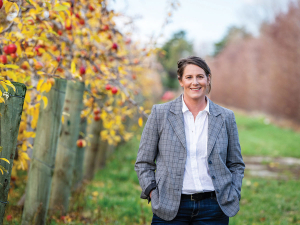
The National Party’s policies to make it easier to grow fresh vegetables, secure reliable water and energy and simplify farm planning are practical changes that will give growers the confidence to invest, according to Horticulture New Zealand (HortNZ).
Fonterra Co-operative Group chief financial officer Andrew Murray has resigned to take up a role outside the dairy giant.
A major move is about to get underway to improve the quality and viability of dairy beef and cattle in NZ.
Veterinarians say changes to the code of welfare for dairy cattle provides a positive foundation for improved cattle welfare across the country.
Today, 15 October, is the International Day of Rural Women, which recognises rural women’s contribution to farming, communities and the environment.





OPINION: The same mainstream media muppets that brought you Jacindamania in 2017 have been flat out pimping for the Opportunities…
OPINION: Your old mate reckons the atrocious way farmers in the UK are treated by their lords and masters in…




