
Damien O’Connor Criticises Budget 2026 as ‘Miserable’ for Rural New Zealand
A miserable budget that didn’t deliver much for anyone.




 increase font size
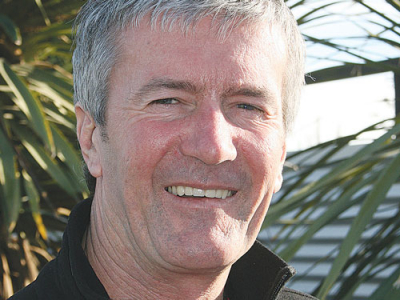 Ag Minister Damien O’Connor says the Government will work to help grow a productive and sustainable horticultural sector.
Growing and sharing New Zealand’s prosperity more fairly is a central plank in the coalition Government’s plan.
That means working in partnership with our primary producers to ensure a resilient and profitable primary sector.
In short, we are moving from volume to value.
The strength and importance of our primary sectors to the NZ economy was highlighted in the latest gross domestic product figures.
The economy grew 1% in the June quarter, driven by the primary sector – up 4.2%. Good prices for dairy products and horticultural produce, such as kiwifruit, are behind that growth.
The primary sector sometimes misses out on the accolades it deserves for its massive contribution to our economic and social wellbeing. I want to thank you for the hard work you put in. Your families, communities, regions and the country see the benefit of it.
Horticulture exports recently reached $5.4 billion, making up 16% of our agri exports. There have been reports of conversion from pastoral land use to high-value crops such as avocados.
Smaller players cherries and blueberries are also punching above their weight. Wine, apples, pears and vegetables are growing too, highlighting opportunities in a range of climates and land types.
All this is achieved on about 110,000 hectares of precious soil that the coalition Government has taken steps to protect. I’ve seen first-hand the encroachment of urban sprawl on the high-quality soils in Pukekohe, south of Auckland. Officials are working to develop a national policy statement high-classlass soils. We must look at soil health and protection comprehensively.
On biosecurity we are not ostriches; we are strengthening the system because our flora and fauna and unique way of life depend upon it.
In our first Budget we put $9.3 million into strengthening our offshore facilities. Stronger import controls were imposed on used car and machinery imports to protect us against the brown marmorated stink bug, and the Environmental Protection Authority approved of using the samurai wasp in the event of a stink buy incursion.
Meanwhile we hope the Biosecurity 2025 movement ‘Ko Tatou’ (‘This is us’) will build a team of all 4.7 million New Zealanders.
As Darwin said, those who collaborate and innovate prevail. To underline this ambition, I recently launched the Sustainable Food and Fibre Futures investment scheme with an annual $40 million budget to help farmers add value to their products and retain the benefits here in NZ.
We’re progressing a national organics standard because most countries have one and we’re disadvantaged by having several uncoordinated methods of proof.
Against a global backdrop of rising protectionism we are championing free trade with our Trade For All agenda to support sustainable and inclusive economic development. New market access to China for our avocados was a huge milestone in January. We are one of only four countries with access to that market.
Thank you to a sector that helps grow the prosperity of all NZers. We will continue to push for greater market access for your top-quality products, protect your soils, and work with you to help grow a productive and sustainable horticulture sector.
• Damien O’Connor is Minister of Agriculture
A miserable budget that didn’t deliver much for anyone.

National's decision to ‘dribble’ information about the NZ/India to Labour contributed to the delay in it deciding to supported the FTA.
When it comes to international trade, politicians from all sides of the aisle are united, says Labour's trade spokesman Damien O'Connor.
Federated Farmers have reiterated their support for the coalition Government to abolish the present ban on the live export of animals.
As the coalition Government mulls new regulations to reinstate the export of live animals, debate is heating up between supporters and opponents.


Mark Hooper has been appointed the new chair of NZPork, the industry organisation representing New Zealand pig farmers.

As the India-New Zealand free trade agreement enters into force, New Zealand’s apple industry has reaffirmed its commitment to the long-term development of India’s apple sector.
Fonterra shareholders can begin voting on Tuesday 20 October in the 2026 Board of Directors’ election, a Co-operative Council election in one Ward, and seven Annual Meeting resolutions.
National’s pledge to introduce 19 new national standards shows the party is serious about getting Wellington out of farming, Federated Farmers says.
The National Party’s policies to make it easier to grow fresh vegetables, secure reliable water and energy and simplify farm planning are practical changes that will give growers the confidence to invest, according to Horticulture New Zealand (HortNZ).
Fonterra Co-operative Group chief financial officer Andrew Murray has resigned to take up a role outside the dairy giant.




OPINION: The same mainstream media muppets that brought you Jacindamania in 2017 have been flat out pimping for the Opportunities…
OPINION: Your old mate reckons the atrocious way farmers in the UK are treated by their lords and masters in…




