
India FTA Unites NZ First, Greens
National’s much-touted free trade deal with India featured in the Rural Issues Debate at Mystery Creek, Hamilton on Wednesday night.




 increase font size
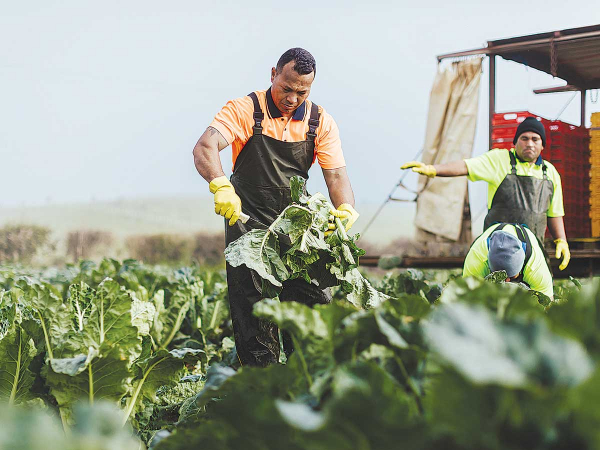 The hort sector says the biggest challenge facing it is labour and wants the new government to focus attention in this area.
The biggest challenge facing horticulture is labour and we will – as a collective sector – ask the new government to focus attention in this area.
As a result of Covid, many New Zealanders need to develop new skills and take on positions in essential industries such as horticulture – industries that are pivotal to the country’s economic and social recovery.
This is no easy task. The new government will need to complete the reform of the education and training system so that it reflects post-Covid requirements for flexible delivery and the fostering of innovation.
While New Zealand’s border challenges may currently appear stark, the horticulture industry believes they can be managed in such a way to protect the health of New Zealanders while also ensuring the country can prosper economically, through access to skills and labour that can only be obtained from overseas.
At the same time that the government needs to partner with industries such as horticulture to help get New Zealanders displaced by Covid into work and new careers, the Recognised Seasonal Employer (RSE) scheme must be expanded and put on a firmer footing to give growers and investors more certainty. The scheme needs to be expanded to support horticulture’s continued growth, which in turn provides more employment opportunities for New Zealanders.
The next challenge facing horticulture is freshwater. While HortNZ welcomed the current Government’s pragmatic approach to achieving freshwater quality outcomes, the whole of the country urgently needs significant investment in commercially viable water storage schemes – for urban supply, growing fruit and vegetables and improving freshwater quality by enhancing river and stream flows.
The current Government has announced it wants to provide financial support to farmers and growers, as they develop and implement their Farm Environment Plans.
Any new government must also recognise that Good Agricultural Practice (GAP) audits are more than sufficient to validate Farm Environment Plans and identify areas for further work.
There is no need for expensive consultant sign off.
At the same time, support for sediment control and wetland development is needed to match and support growers’ own investment.
Horticulture is well-placed to play a critical role in New Zealand’s post-Covid economic and social recovery.
What is needed are central and local government settings, decisions and partnerships that support that role.
• Mike Chapman is chief executive of HortNZ
National’s much-touted free trade deal with India featured in the Rural Issues Debate at Mystery Creek, Hamilton on Wednesday night.

Where any worker in the kiwifruit industry is mistreated, we expect the authorities to take action.
Kiwifruit growers are watchful but remain optimistic as concerns around the potential effects of the El Niño weather pattern this season.
It was billed as a chance for all the political parties to woo the rural vote, but question marks hang over just how effective this was.
Red meat farmers are welcoming Labour’s plan to review the Emissions Trading Scheme and not to campaign on pricing agricultural emissions.



Federated Farmers has welcomed new rural policies released by ACT, saying they align closely with its own election priorities.

Rural Contractors NZ says proposed changes to land transport rules for agricultural vehicles are a welcome response by the Government to out of date regulations which have seen members hit with huge fines.
Alliance is calling for final applications for its 2027 Graduate Programme, with applications closing on Sunday 25 October.
Decades piloting planes has ensured vet and farmer David Hayes is focused on safety. So, after a serious accident while welding on farm, he is sharing his experience so others can learn from it.
Canterbury milk processor, Synlait Milk has confirmed Leon Fung as its chief executive officer.
OPINION: Making it easier to collect rainwater and use it to grow crops and livestock is a no brainer.





OPINION: The same mainstream media muppets that brought you Jacindamania in 2017 have been flat out pimping for the Opportunities…
OPINION: Your old mate reckons the atrocious way farmers in the UK are treated by their lords and masters in…




