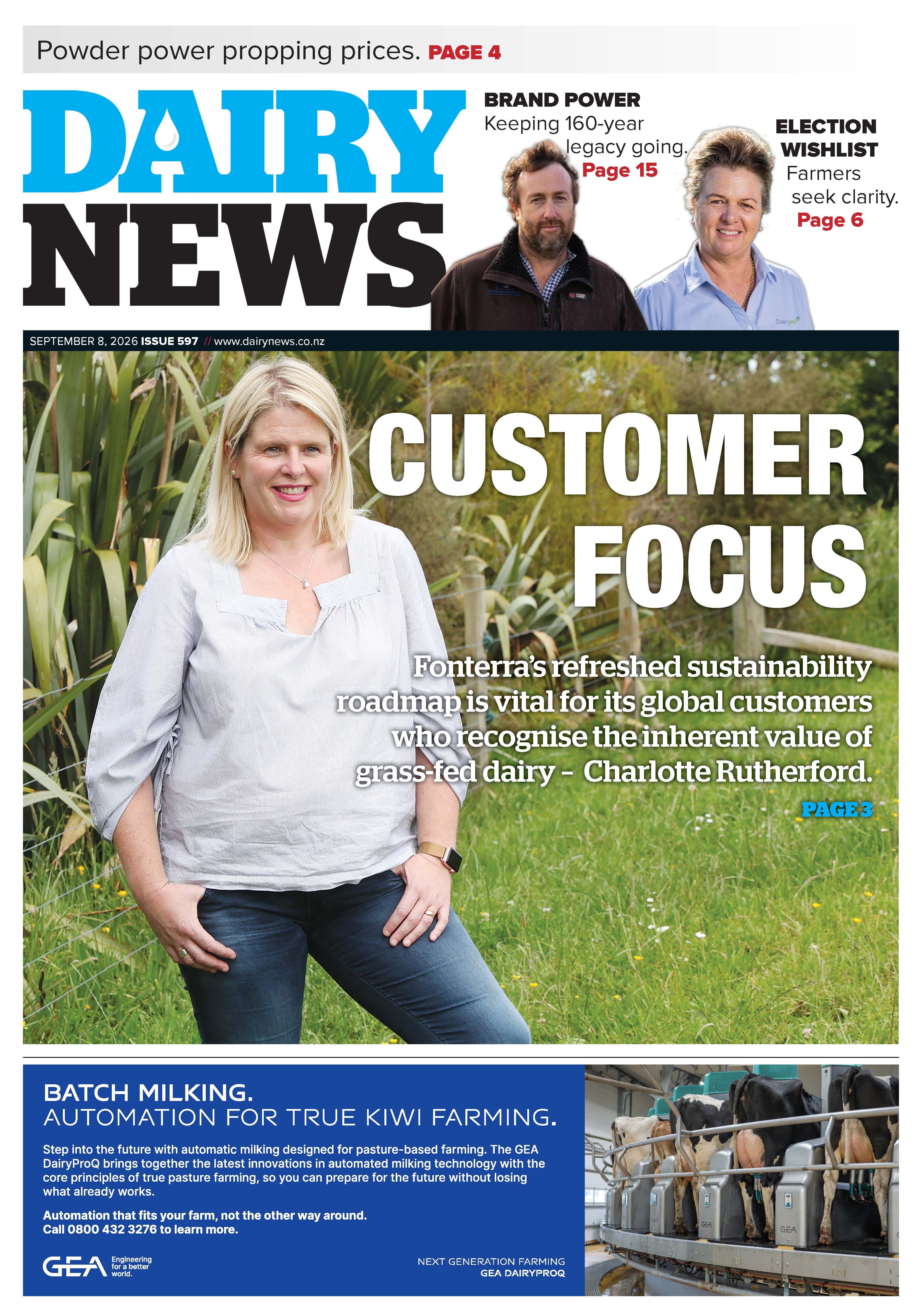
Beef + Lamb NZ's Lambing Kit Checklist for a Tough Season
With lambing underway in many regions, Beef + Lamb New Zealand is encouraging farmers to put together a wellequipped lambing kit to help minimise lamb losses, particularly in bad weather.




 increase font size
 Cavalier chief executive Paul Alston.
Demand for high-end woollen flooring is in resurgence globally, says Cavalier chief executive Paul Alston.
Cavalier is well positioned to take good advantage of it, he said on the release of half-year results.
The company now has a strategic focus on high quality, higher margin wool carpets.
“We are building on the success of our Cavalier Bremworth World of Difference positioning and have a number of exciting initiatives underway to build our market share in our home markets of Australia and New Zealand, and new opportunities offshore,” he says.
“We will also be releasing a new television campaign in the coming months, further establishing ourselves as marketers of premium wool carpet.”
Alston however reported softer market conditions overall particularly in Australia and with lower-margin synthetic carpets. “Pleasingly, demand for Cavalier’s high-end wool carpets is up year on year, with the company reporting one of its highest sales months yet for its high-end felted carpets, while lower-margin synthetic sales decreased in line with Cavalier’s new strategic focus.”
Higher carpet earnings were offset by reduced earnings from the wool buying business Elco Direct.
“Wool prices are being driven down due to decreased Chinese demand for coarser carpet wool and while this is benefitting the carpet business’ cost of sales, it is impacting on sales and margins for Cavalier’s wool buying business.”
Cavalier’s net loss of $10 million for the six months ended December 2018 reflected a $12m loss on the sale of the Cavalier Wool Holdings scouring business. The $1.9m normalised net profit, up 68% on the previous first half, was at the upper end of the $1.6-2m guidance.
While no interim dividend has been declared, the company says it will resume paying dividends as part of its long term financial strategy.
The facts
- Opportunity for growth in world market
- Wool carpets are its heritage
- Most sales are to Australia and New Zealand
- Growth opportunities exist for wool carpets in other world markets, particularly North America and the UK
- US wool carpet market estimated at US$513m.
- UK wool carpet market estimated at US$498m
Growth in soft market
Cavalier chief executive Paul Alston told Rural News they are seeing some growth in high-end wool carpets in a generally soft market.
He thinks consumers are seeing the benefits of wool and how wool carpets perform better than synthetics. The rise of environmental issues and the move against plastics, etc is contributing, Alston says.
“The world is changing; whilst things aren’t going to change overnight, the pushback on sustainability issues will become more prominent in the next few years,” he says.
“We are pretty well placed for that given we have a history in wool carpets.” It will be a continuing trend but it might be slow.
“From a wool carpet perspective, you can’t really get textured loops and the style in synthetic carpets; it is more based on colour. So for a fashion item on your floor a woollen carpet will give you that.”
With lambing underway in many regions, Beef + Lamb New Zealand is encouraging farmers to put together a wellequipped lambing kit to help minimise lamb losses, particularly in bad weather.

New Zealand wool is reaching new heights as air filtration companies move away from synthetic products to biodegradable alternatives.
Will a stronger, more coordinated voice help rebuild confidence and improve returns in the wool sector?
OPINION: Confidence in the wool sector is rebounding as prices hit levels not seen in more than 15 years.
The recently signed free trade agreement with India is an invitation to strengthen relationships between the New Zealand and Indian strong wool industries, says Wool Impact chief executive Andy Caughey.

Mobile phone coverage and reliability are deteriorating in rural areas, and farming families are bearing the cost, according to a Federated Farmers survey.
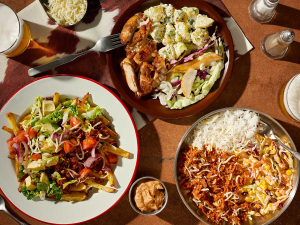
HelloFresh New Zealand has launched a limited-edition Country Cookout Box of Southern-inspired meals, arriving as the 2026/27 rodeo season gets underway.
Beef + Lamb New Zealand Incorporated (BLNZ Inc) is marking 40 years of promoting red meat to New Zealand consumers, citing its taste, family meals and nutritional benefits.
Pāmu has welcomed Taranaki student Paige Burston as its newest First Foundation Scholar, supporting her journey towards a career in agriculture and animal science.
Farmer-owned fertiliser company, Ballance Agri Nutrients is welcoming National’s plan to negotiate security agreements with key supplier countries to protect New Zealand-bound products from export restrictions and greater supply chain certainty.
Carrfields has announced the appointment of Stu Hall to the newly created role of chief operating officer, Carrfields Ltd, reflecting the continued growth of their agribusinesses and the need to ensure the company has the leadership capacity and support in place as it pursues the emerging opportunities ahead.




OPINION: The same mainstream media muppets that brought you Jacindamania in 2017 have been flat out pimping for the Opportunities…
OPINION: Your old mate reckons the atrocious way farmers in the UK are treated by their lords and masters in…