
Mark Hooper Joins NZPork Board as Independent Director
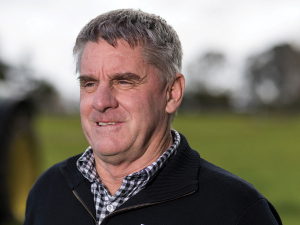
Rural leader Mark Hooper has been appointed as an independent director to the NZPork board, bringing extensive farming, governance and advocacy experience to the role.




 increase font size
 General manager of NZ Pork, David Baines.
Shoppers looking to buy Kiwi pork may be misled if proposed country of origin labelling changes go ahead, claims NZ Pork.
The Government’s draft regulations for cured pork could see imported pig meat that is marinated or injected in New Zealand labelled without recognition that the meat is produced overseas.
The provisions, which have been made as part of the Consumers’ Right to Know (Country of Origin Labelling) Bill, only require the pork to include the name and address of a New Zealand supplier.
David Baines, general manager of NZ Pork, says the intent of the Country of Origin of Food Act is to provide consumers with accurate information about the origin of certain foods so they can make informed purchase decisions.
“New Zealand consumers should rightly expect accurate information about the origin of cured or further processed pork. These marinated and infused products in effect ‘hide’ the use of imported pork from consumers and mislead Kiwis by their presentation within the fresh meat cabinet.
“For example, under these proposals, pork from Spain or the United States would be labelled with its country of origin if presented as ‘fresh’ (chilled) while the same product, if marinated or infused, would sit alongside NZ Pork and escape the need for labelling as imported.
“We believe these products should be included in the category of cured pork to ensure consumers are not confused.”
NZ Pork is calling on the Government to widen the definition of cured pork so it includes preserving and/or flavouring. It says defining cured pork in this way would mean the regulations would cover imported pork that is processed in some form.
Rural leader Mark Hooper has been appointed as an independent director to the NZPork board, bringing extensive farming, governance and advocacy experience to the role.

As the cost-of-living crisis continues to put pressure on household grocery budgets, new figures show pork remains one of the most affordable fresh meat options for New Zealand families.
Patoa Farms Limited, New Zealand's largest pig farm, has been sold for an undisclosed price.
NZPork has appointed Auckland-based Paul Bucknell as its new chair.
It was recently announced that former MP and Southland farmer Eric Roy has stepped down of New Zealand Pork after seven years. Leo Argent talks with Eric about his time at the organisation and what the future may hold.


Federated Farmers has welcomed new rural policies released by ACT, saying they align closely with its own election priorities.

Rural Contractors NZ says proposed changes to land transport rules for agricultural vehicles are a welcome response by the Government to out of date regulations which have seen members hit with huge fines.
Alliance is calling for final applications for its 2027 Graduate Programme, with applications closing on Sunday 25 October.
Decades piloting planes has ensured vet and farmer David Hayes is focused on safety. So, after a serious accident while welding on farm, he is sharing his experience so others can learn from it.
Canterbury milk processor, Synlait Milk has confirmed Leon Fung as its chief executive officer.
OPINION: Making it easier to collect rainwater and use it to grow crops and livestock is a no brainer.




OPINION: The same mainstream media muppets that brought you Jacindamania in 2017 have been flat out pimping for the Opportunities…
OPINION: Your old mate reckons the atrocious way farmers in the UK are treated by their lords and masters in…




