NZKGI Responds to Migrant Worker Exploitation Reports
Where any worker in the kiwifruit industry is mistreated, we expect the authorities to take action.




 increase font size
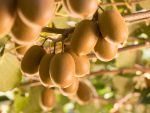
 The 2019 kiwifruit harvest has begun and it looks like being a bumper one.
Kiwifruit orchards will be hives of activity over the next three months as the 2019 harvest gets underway.
About 150 million trays will be picked and packed; the first orchard harvest started last week in Gisborne.
New Zealand Kiwifruit Growers Inc (NZKGI) chief executive Nikki Johnson says Poverty Bay leads the charge because the crop matures more quickly there. In March, orchards in Bay of Plenty, Northland, Counties-Manukau, Waikato, Hawke’s Bay, lower North Island and Tasman will follow suit.
“It’s going to be a bumper crop,” says Johnson.
The first run of kiwifruit is mostly the gold variety, with the green harvest coming into full force in late March. The last fruit is picked in June. Zespri chief grower and alliances officer Dave Courtney says the first fruit picking is an exciting time for the industry.
“We always look forward to the start of harvest and this year we’re expecting a fantastic crop.”
Johnson says labour shortage is so far an unknown; NZKGI has for three months been connecting with potential labour sources.
“We’ve gone all-out to tell our potential workers about the roles, pay and other important information, and to dispel some of the myths about the work.
“We’ll soon know if it’s had an impact, when the major picking starts, and we’ll be contingency planning if we do have an issue in a month.”
Johnson says about 18,000 workers will be needed during the harvest; a recruitment campaign has targeted Kiwi students, retirees and backpackers.
EastPack Ltd began picking early fruit this year and chief executive Hamish Simson expects the season to start earlier than usual.
“We’ve already packed fruit at our Edgecumbe and Opotiki sites and expect our other four sites to be in full swing by next week.
“Labour supply is well and truly on our radar and we have a programme to give people an awesome experience working in the kiwifruit industry.”
Kiwifruit facts and figures
- Kiwifruit is NZ’s largest horticultural export
- NZ kiwifruit production is expected to jump from 123 million trays in 2017 to 190 million trays in 2027
- The industry’s global revenue is expected to jump from $2 billion in 2017 to $6b by 2030
- Labour shortage could hinder this growth
- The industry will by 2027 need 7000 more workers than it had in 2017
- In 2017 when the minimum hourly wage was $15.75 the average wage for picking kiwifruit was $20.95
- The expected hourly picker’s rate in 2019 will be $23.50.
Where any worker in the kiwifruit industry is mistreated, we expect the authorities to take action.

Kiwifruit growers are watchful but remain optimistic as concerns around the potential effects of the El Niño weather pattern this season.
More signs of a booming kiwifruit sector.
After delivering a strong financial year, rural trader PGG Wrightson says the coming months will depend on customer confidence and weather.
New Zealand growers have always adapted to changing conditions, but one challenge is steadily gaining ground across the horticulture sector: resistance.



National’s pledge to introduce 19 new national standards shows the party is serious about getting Wellington out of farming, Federated Farmers says.
The National Party’s policies to make it easier to grow fresh vegetables, secure reliable water and energy and simplify farm planning are practical changes that will give growers the confidence to invest, according to Horticulture New Zealand (HortNZ).
Fonterra Co-operative Group chief financial officer Andrew Murray has resigned to take up a role outside the dairy giant.
A major move is about to get underway to improve the quality and viability of dairy beef and cattle in NZ.
Veterinarians say changes to the code of welfare for dairy cattle provides a positive foundation for improved cattle welfare across the country.
Today, 15 October, is the International Day of Rural Women, which recognises rural women’s contribution to farming, communities and the environment.





OPINION: The same mainstream media muppets that brought you Jacindamania in 2017 have been flat out pimping for the Opportunities…
OPINION: Your old mate reckons the atrocious way farmers in the UK are treated by their lords and masters in…




