Cyclone Gabrielle: Hawke's Bay Orchardists Still Recovering
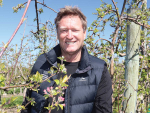
Three and a half years on from when Cyclone Gabrielle hit Hawke's Bay, some orchardists in the region are still receiving counselling to help them deal with the trauma they suffered.




 increase font size
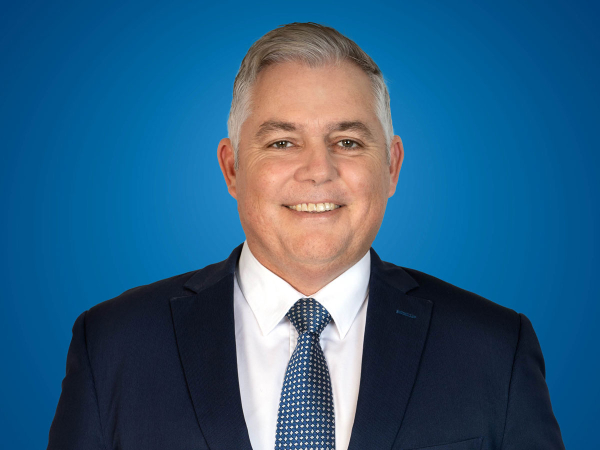 Emergency Management and Recovery Minister Mark Mitchell.
Emergency Management and Recovery Minister Mark Mitchell has announced $16.8 million in Budget 2024 funding to support councils in accelerating recovery efforts following the severe weather events of 2023.
The funding comes from the Cyclone Recovery Capability Fund announced in Budget 2024.
“Councils have said they require additional expertise to speed up their priority recovery projects, and this funding enables exactly that,” Mitchell says.
He says the money will be distributed to 12 councils, for 50 separate initiatives which councils identified to help get faster outcomes for their communities.
“This includes additional geotechnical expertise to speed up decision-making on landslide-affected properties, as well as resources to accelerate roading recovery, bridge repairs and flood protection projects in affected regions,” Mitchell says.
“Recovery is an ongoing process, and we recognise councils are working hard to implement the necessary measures to support recovery in their communities,” he adds.
“We are committed to supporting our councils and communities as they continue to rebuild and recover from the devastating impacts of last year’s severe weather events.”
The announcement was welcomed by Hawke’s Bay Regional Council, which allocated $2.18 million.
Regional Council chair Hinewai Ormbsy says the additional support will help speed up progress on the flood mitigation work already underway in partnership with Government.
“We know how important it is to our communities to have these flood mitigation projects completed as quickly as possible, and this additional funding should help us achieve that for them,” says Ormsby.
“We appreciate people in the affected communities of Wairoa, Whirinaki, Waiohiki, Omahu, Pākowhai and Pōrangahau who are waiting for these projects to be finished so they can have more certainty about the way forward. We hope this will help reassure them that we are doing everything we can to complete the projects as soon as possible.”
Three and a half years on from when Cyclone Gabrielle hit Hawke's Bay, some orchardists in the region are still receiving counselling to help them deal with the trauma they suffered.
Election years are always a concerning time for farmers, according to DairyNZ chair Tracy Brown.
OPINION: It's a tough pill to swallow that bird flu (avian influenza) has finally arrived in New Zealand. This is a moment many of us have hoped would never come.
Improving health and safety is about incremental gain rather than a sudden decision, says Leeston farmer and Federated Farmers health and safety spokesman David Birkett.
Retiring MP and dairy farmer Mark Cameron is blasting the Green Party for proposing to ban the use of synthetic fertiliser and cutting cow numbers.


During the nesting season, from September to December, industrious starlings can quickly build nests in the darker areas behind tractor and vehicle, usually close to hot engines, typically resulting in localised damage or in some cases complete write-offs.
The meat processing industry is much more collegial than it was in the past and is now more focused on common goals.
With the last couple of months having seen some potential tractor purchases put on hold with the impending election and continued input cost rises, year-to-date figures, ending September, has seen deliveries up around 5% over the same period in 2025, with a total of 2026 units.
Beef+Lamb New Zealand is calling for nominations for director roles in the Northern South Island and Northern North Island electoral districts.
Fonterra chief executive, Richard Allen says being resilient has helped the dairy industry overcome extreme volatility in recent years.
The head of the Ministry for Primary Industries (MPI) trade and international relations group says New Zealand is well-positioned to secure trade access and compete internationally as the world becomes more complicated, demanding and uncertain.

OPINION: The same mainstream media muppets that brought you Jacindamania in 2017 have been flat out pimping for the Opportunities…
OPINION: Your old mate reckons the atrocious way farmers in the UK are treated by their lords and masters in…