Tuesday, 09 July 2019 09:39

Food supply okay, trade vital

Written by 

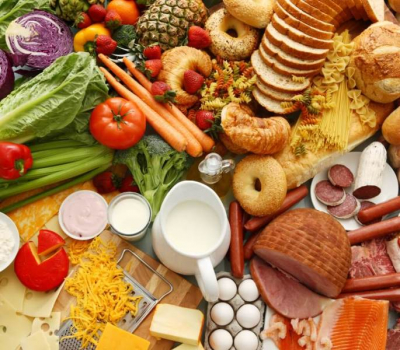
Global demand for agricultural products is projected to grow by 15% over the coming decade, while agricultural productivity growth is expected to increase slightly faster.

As a result, inflation-adjusted prices of the major agricultural commodities should remain at or below their current levels, according to an annual report by the Organisation for Economic Co-operation and Development and the UN's Food and Agriculture Organization.

This year's edition of the OECD-FAO Agriculture Outlook, published on July 8, projects that yield improvements and higher production intensity, driven by technological innovation, will result in higher output even as global agricultural land use remains broadly constant.

At the same time, new uncertainties are emerging on top of the usual risks facing agriculture. These include disruptions from trade tensions, the spread of crop and animal diseases, growing resistance to antimicrobial substances, regulatory responses to new plant-breeding techniques, and increasingly extreme climatic events.

Worldwide, the use of cereals for food is projected to grow by about 150 million tonnes over the outlook period - amounting to a 13% increase - with rice and wheat accounting for the bulk of the expansion.

The most significant factor behind the projected growth in food use of staple products is population growth, which is expected to rise fastest in Sub-Saharan Africa and South Asia.

"The Outlook makes abundantly clear that trade is critical for global food security," said OECD Director for Trade and Agriculture Ken Ash. "Regions that are experiencing rapid population growth are not necessarily those where food production can be increased sustainably, so it is essential that all governments support open, transparent and predictable agro-food markets."


More like this

FAO Food Price Index inches up

The benchmark for world food commodity prices increased for the third consecutive month in May, as higher prices of cereals and dairy products outweighed decreases in quotations for sugar and vegetable oils, the Food and Agriculture Organization of the United Nations (FAO) reports.

Let's take our hats off to dairy farmers!

It’s World Milk Day today (June 1), a time to celebrate the vital role that milk, and dairy products play in our lives and acknowledge the tremendous contributions of the New Zealand dairy sector.

Featured

Southland Farmers Face Wet Weather Toll, Support Available

Farmers across parts of Southland and South Otago are continuing to deal with difficult conditions after a prolonged run of wet weather, with pressure building around feed supply, stock management, pasture damage, farm infrastructure and everyday workloads.

How Wearable Tech Powers This 1,850-Cow Dairy Farm

For Canterbury dairy farmers Sian Meijer and Rick Wobben, wearable technology has become one of their most valuable on-farm tools - helping manage 1850 cows across an expansive, high-performing dairy operation while improving efficiency, mating outcomes and day-to-day decision making.

New Dairy Welfare Code Released, Takes Effect 2027

The first major update to the Dairy Cattle Code of Welfare in more than a decade has been released, marking what DairyNZ describes as an important step in ensuring animal welfare standards continue to evolve alongside scientific evidence and on-farm realities.

National

Machinery & Products

» Latest Print Issues Online

The Hound

'LinkedIn Greens'

OPINION: The same mainstream media muppets that brought you Jacindamania in 2017 have been flat out pimping for the Opportunities…

UK Warning

OPINION: Your old mate reckons the atrocious way farmers in the UK are treated by their lords and masters in…

» Connect with Rural News

» eNewsletter

Subscribe to our weekly newsletter