Fonterra Elections 2026: Voting Opens Tuesday 20 October
Fonterra shareholders can begin voting on Tuesday 20 October in the 2026 Board of Directors’ election, a Co-operative Council election in one Ward, and seven Annual Meeting resolutions.




 increase font size
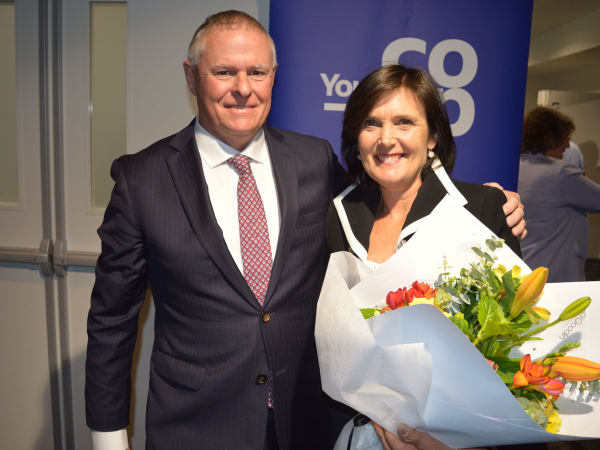 Fonterra chair Peter McBride with outgoing director Leonie Guiney at the AGM in New Plymouth.
Fonterra’s board has been reduced to nine - comprising six farmer-elected and three appointed directors.
Last year over 88% of voting farmer shareholders backed a board proposal to reduce the 11-member board to nine.
This year, three farmer-elected directors – chair Peter McBride, John Nicholls and Leonie Guiney retired by rotation. Guiney did not seek re-election after serving nine years on the board. McBride and Nicholls were re-elected unopposed.
Appointed director Clinton Dines has also retired after serving for nine years. He was replaced by Alistair Field, whose appointment was ratified by shareholders at the co-op’s annual meeting in New Plymouth yesterday.
Speaking at the meeting, McBride thanked Guiney and Dines for their time and energy.
“Your contribution to Fonterra has been significant, but in particular your focus on risk and balance sheet management has been invaluable as we have reset the business.
“If the measure of success for a director is leaving the organisation in better shape than you found it, then you have both unquestionably achieved that. Our Co-op is in good health.
“The sentiment we are receiving from farmers right now is overwhelmingly positive.”
Fonterra shareholders can begin voting on Tuesday 20 October in the 2026 Board of Directors’ election, a Co-operative Council election in one Ward, and seven Annual Meeting resolutions.

Fonterra Co-operative Group chief financial officer Andrew Murray has resigned to take up a role outside the dairy giant.
Four candidates have been confirmed for two director positions on Fonterra’s board.
A record farmgate milk price and strong global demand is laying the foundation for continued growth of organic dairy farming in New Zealand.
Waikato milk processor Tatua has again declared a record milk payout to farmer shareholders, leaving other processors in the dust.


Alliance is calling for final applications for its 2027 Graduate Programme, with applications closing on Sunday 25 October.
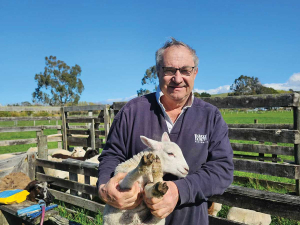
Decades piloting planes has ensured vet and farmer David Hayes is focused on safety. So, after a serious accident while welding on farm, he is sharing his experience so others can learn from it.
Canterbury milk processor, Synlait Milk has confirmed Leon Fung as its chief executive officer.
OPINION: Making it easier to collect rainwater and use it to grow crops and livestock is a no brainer.
As part of its Election 2026 coverage, Rural News asked political parties how they would help pull the arable sector out of the doldrums. Here's what they said:
Farmers are being encouraged to rethink how they manage waste on farm with the launch of ruralwastesorted.co.nz, a new website bringing together practical tips, real farmer experiences and resources.



OPINION: The same mainstream media muppets that brought you Jacindamania in 2017 have been flat out pimping for the Opportunities…
OPINION: Your old mate reckons the atrocious way farmers in the UK are treated by their lords and masters in…




