Farmlands has reported higher operating earnings and a profit before income tax of $4.5 million, up 118.9%, for the year ended 30 June 2026.
The co-operative says it achieved the result in a year of global pressure, while investing to make sure shareholders had the products they needed, when they needed them, and to strengthen New Zealand-based manufacturing.
Operating EBITDA rose 5.8% to $35.4 million. Revenue was $922 million, up 8.8%, and gross profit was $202.9 million, up 9.4%.
Farmlands gross turnover rose 8.5% to $2.8 billion. Farmlands Group turnover, which includes the joint ventures Fern Energy and Farmlands Flex that are not consolidated in the financial statements, rose 5.3% to $3.2 billion.
Net Profit Boosted by Tax Benefit
Reported net profit after tax was $21.2 million. That includes a one-off, non-cash deferred tax benefit of $16.7 million, which Farmlands says reflects expectations of enough future taxable profits to use the deferred tax asset.
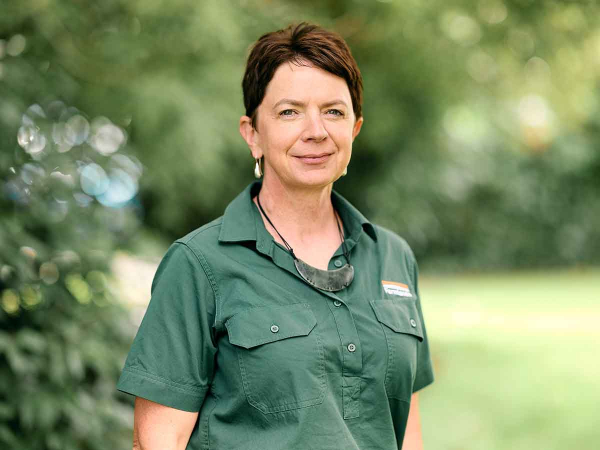
Chief executive Tanya Houghton says the tax recognition is a positive signal of progress under the group’s long-term strategy and of the confidence of the business and board in Farmlands’ continuing growth and profitability.
Farmlands also says the reported figures absorbed the first-quarter result and the acquisition costs of Donaghys, and that underlying trading was stronger than the reported numbers show.
“Our strategy is about serving our shareholders today while building a more resilient co-operative for tomorrow,” Houghton says.
“We’ve lifted operating earnings at the same time as investing in the business. That is encouraging progress, with our focus firmly on turning those investments into future sustained earnings and greater value for shareholders.”
Donaghys Acquisition
A significant development in the year was the acquisition of Donaghys in March 2026, which Farmlands says expands its New Zealand-based manufacturing, animal health research and product development capabilities.
Alongside SealesWinslow and its wider nutrition business, the co-operative says the purchase strengthens its ability to develop products for New Zealand farming conditions and creates new sources of value and future earnings.
“Donaghys gives us greater influence over the products we bring to market and their supply, while keeping important expertise and manufacturing capability in New Zealand hands,” Houghton says.
Donaghys was acquired late in the financial year and contributed a small loss alongside acquisition costs in FY26, reflecting the seasonal timing of its earnings. FY27 will include a full year of ownership.
Owned Brands and Energy
Farmlands says customer numbers for its owned brands grew, by 171% for Top Paddock and 62.9% for AgStar.
Farmlands Flex, the solar technology joint venture, completed its first full year of trading, with 101 systems sold and 55 sites fully operational.
The co-operative also expanded its central distribution network, which it says supported more efficient purchasing, stock management and distribution, and helped it manage supply chain pressures.
Operating Cashflow Down
Operating cashflow fell 37.9% to $16.2 million, from $26.1 million in FY25.
Farmlands says this reflects, in part, a deliberate investment in inventory to give farmers and growers greater surety of supply during the uncertainty created by the global fuel crisis. Year-end inventory was nearly $20 million higher than the previous year, with about $10 million acquired with Donaghys and the balance a planned stock build.
The co-operative also invested more than $10 million in capital during the year, continuing its commitment to nutrition, where it says farmer and lifestyle demand continues to grow.
“Planning ahead and investing in supply gives our shareholders greater confidence that the products they need will be available when they need them,” Houghton says.
Chair on Balance and Community
Chair Rob Hewett says the result balanced financial sustainability against investments that ensure the co-operative is ready for what is ahead.
“Our responsibility is to keep Farmlands delivering clear benefits for the farmers and growers who own it,” he says.
Hewett also pointed to the Rural Support Trust’s ignite platform, which gives free mental health and wellbeing support to rural communities, as one way Farmlands has supported farmers and their families beyond the farm gate.
Outlook
Looking ahead to FY27, Houghton says Farmlands will keep focusing on improving the profitability and efficiency of its core business and realising the benefits of recent investments.
“We remain confident in our approach and look forward to continuing to deliver on what matters to shareholders: everyday value today, dependable supply and a co-operative with the financial foundations to support their businesses now and into the future,” she says.