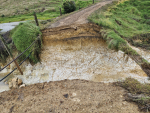
Award-winning Māori farm severely damaged by isolated Northland thunderstorm
One of the country's top Māori farms has been badly damaged by a severe isolated thunderstorm which hit parts of the east coast of Northland last week.




 increase font size
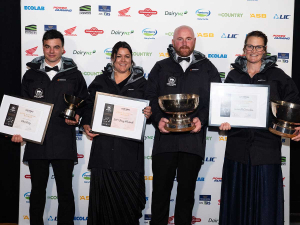
 Omapere Taraire & Rangihamama Trust were named as the winners of this year’s Ahuwhenua Trophy BNZ Maori Excellence in Farming Award at a dinner held in Whangarei. Photo John Cowpland / alphapix.
About 700 people in late May attended a gala awards night in Whangerei, to see Omapere Rangihamama Trust farm, near Kaikohe, awarded the Ahuwhenua Trophy.
The Ahuwhenua Trophy awards night, a premier event in NZ farming, was attended by Māori leaders, politicians, agribusiness professionals, finalists’ whānau, past winners and journalists.
The trophy, a medal and a replica trophy were presented by Prime Minister Bill English to the chairman of the trust, Sonny Tau. The trust also took away $40,000 in prizes.
The other two finalists were RA and JG King Partnership of Puketawa Station, near Eketahuna, and Pukepoto Farm Trust at Ongarue, near Taumarunui.
Omapere is a 902ha (effective) mixed sheep and beef property whose borders include Lake Omapere. It is now transitioning to mainly bull beef rearing. Since 2007 the trustees have been working on substantial improvements.
Kingi Smiler, the chairman of the Ahuwhenua Trophy management committee which runs the competition, says Omapere has a strong strategic and practical commitment to improving the property’s environment, so benefiting their whānau and all other people in the district.
He says Omapere is also doing a lot to encourage its young people to make a career in agribusiness by offering scholarships; this highlights their intergenerational thinking.
Sonny Tau, the chairman of the trust which owns Omapere, says winning the trophy is a big boost to its 3500 shareholders. The trust has struggled over the years, and the win is a great reward for this effort.
“I knew we were in there with a chance, but when the announcement was made it felt great,” Tau told Rural News.
“As for the experience of entering Ahuwhenua, at the beginning I was a bit sceptical about it. But once we got into the finals we were totally committed to the process and gained a lot out of it. Another bonus was the people we met.”
Tau says the feedback they got through the judging process is prompting them to make changes on their farms.
One of the country's top Māori farms has been badly damaged by a severe isolated thunderstorm which hit parts of the east coast of Northland last week.

Coby Warmington, 29, a farm manager at Waima Topu Beef near Hokianga was named at the winner of the 2025 Ahuwhenua Young Maori Farmer Award for sheep and beef.
Recently two of New Zealand's top Maori sheep and beef farms held field days as part of the prestigious Ahuwhenua Trophy competition. The two are: Whangaroa Ngaiotonga Trust, northeast of Whangarei, and the proprietors of Tawapata Onenui farm on Mahia Peninsula in southern Hawke's Bay. Reporter Peter Burke attended both field days.
Farms from Northland and northern Hawke's Bay are the finalists in this year's Ahuwhenua Trophy competition for the top Māori sheep and beef farms.
The search is on to find the top Māori sheep and beef farm with entries now open for the 2025 Ahuwhenua Trophy competition.


Entries opened on Monday, 5 October 2026 for the 2027 New Zealand Dairy Industry Awards (NZDIA), which organisers describe as the nation's biggest celebration of excellence in the dairy sector.
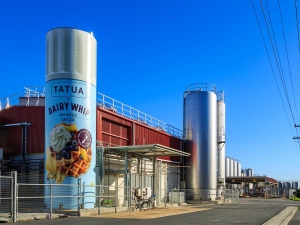
Waikato milk processor Tatua has again declared a record milk payout to farmer shareholders, leaving other processors in the dust.
A Labour-led Government won’t be bringing back the controversial freshwater rules of 2020.
National’s much-touted free trade deal with India featured in the Rural Issues Debate at Mystery Creek, Hamilton on Wednesday night.
New Zealand's 2026-27 freshwater fishing season has opened, with anglers encouraged to head to rivers and lakes over the coming days as conditions look favourable across much of the country.
Central Otago District Council (CODC) has voted against a plan to spread treated sewage sludge from Cromwell and Alexandra on farmland near Lauder, a decision Federated Farmers says reflects strong opposition from rural residents.





OPINION: The same mainstream media muppets that brought you Jacindamania in 2017 have been flat out pimping for the Opportunities…
OPINION: Your old mate reckons the atrocious way farmers in the UK are treated by their lords and masters in…