
Seeking apology
The small east coast township of Wairoa is still waiting for an apology from the Hawke's Bay Regional Council (HBRC) following the devastating floods which hit the town in June and damaged hundreds of houses.




 increase font size
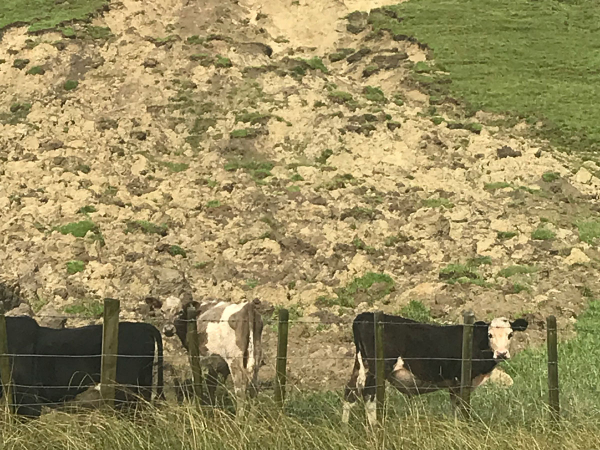 Damage caused to hill country by flooding on the East Coast.
Farmers on the East Coast are busy trying to get out on their farms and assess and repair the damage caused by the recent storm event.
In some areas the damage is as bad as cyclone Bola, but there is not the same widespread destruction as caused more than 30 years ago by Bola.
Farms further north around Tokomaru Bay and to the west of Wairoa have been the worst hit. There have been massive slips on a large number of farms which have wrecked tracks and fences making it virtually impossible to get to the back of some properties with farm vehicles. Horses and helicopters are being used to assess the damage and to free stock that have been trapped in paddocks by the slips.
There is a waiting list for heavy machinery and in particular diggers to help clear tracks, but some of the land is still so wet and slushy that it’s impossible to make permanent repairs. It’s likely farmers will have to wait until the land dries out before some of this work can be done.
It’s that time of the year when sheep farmers put out the ram but it’s feared that some flocks may have got mixed up with fences going down, and sorting out this problem will take some time.
Beef+Lamb NZ’s extension manager for the East Coast of the North Island Mark Harris says it will be a pretty emotional time for those badly hit by the storm and being confronted with a major clean up.
“Right now it’s important for them to take a moment to make a plan and control what they can control. For example, determining how much pasture they have lost going into winter and what’s not available now, adjusting that to supply and demand and potentially getting rid of some stock,” he says.
Harris says it’s a case of getting through to the start of the winter and then working through the winter to get through to the spring in good shape.
The small east coast township of Wairoa is still waiting for an apology from the Hawke's Bay Regional Council (HBRC) following the devastating floods which hit the town in June and damaged hundreds of houses.
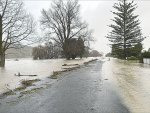
A review into the Wairoa flooding event on 26 June 2024 has found the flood was caused by a combination of factors leading to the river backing up and overflowing.
The Government has activated Enhanced Taskforce Green (EFTG) in response to flooding in the Tairāwhiti and Wairoa regions.
The recent storm on the East Coast has disproportionally affected Māori farms in the region.


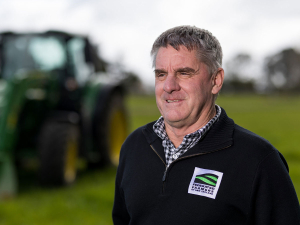
National’s pledge to introduce 19 new national standards shows the party is serious about getting Wellington out of farming, Federated Farmers says.
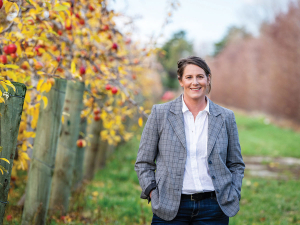
The National Party’s policies to make it easier to grow fresh vegetables, secure reliable water and energy and simplify farm planning are practical changes that will give growers the confidence to invest, according to Horticulture New Zealand (HortNZ).
Fonterra Co-operative Group chief financial officer Andrew Murray has resigned to take up a role outside the dairy giant.
A major move is about to get underway to improve the quality and viability of dairy beef and cattle in NZ.
Veterinarians say changes to the code of welfare for dairy cattle provides a positive foundation for improved cattle welfare across the country.
Today, 15 October, is the International Day of Rural Women, which recognises rural women’s contribution to farming, communities and the environment.





OPINION: The same mainstream media muppets that brought you Jacindamania in 2017 have been flat out pimping for the Opportunities…
OPINION: Your old mate reckons the atrocious way farmers in the UK are treated by their lords and masters in…




