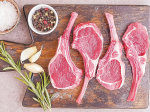
Move over ham, here comes lamb
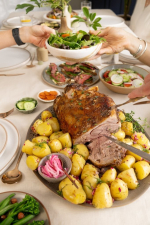
It’s official, lamb will take centre stage on Kiwi Christmas tables this year.




 increase font size
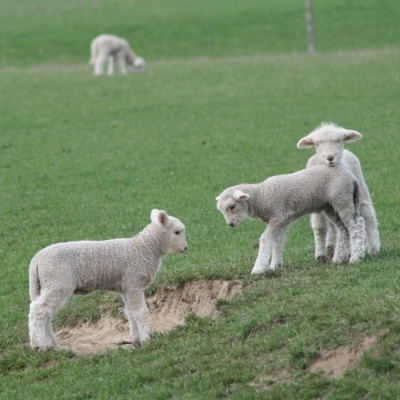
Drought in the central South Island has reached the point where losses cannot be limited to this year, industry representatives say.
With mating only weeks away, ewe condition is below normal in many areas and fresh feed for flushing scarce to non-existent.
“I expect ewe bodyweight will be back at mating and there won’t be the number of hoggets mated this autumn,” Beef + Lamb New Zealand’s economic manager for the region, John Holmes, says.
“People might have to cut into their capital [stock] numbers from here on in too, if they haven’t already started to do so.”
Consequently, there would “definitely” be an impact on next season’s production, though putting a figure on that now is hard to do, he says.
BLNZ economic service data shows Marlborough and Canterbury produced 4.7m lambs (18%) of the national crop in 2014 – second only to the North Island East Coast with 6m (24%) of the drop.
Holmes says with hindsight, forecasts for 2015 fed into BLNZ’s Mid Season Outlook report this week are too high. “It’s based on what we did at the start of February. At that point it looked like it was turning a bit, but they were still fairly low.”
The drought has “just deepened really” in the four weeks since that data was collected and Holmes says he’d revise the figures if doing them again.
The next four weeks will be “absolutely critical too” as time is running out for rain to save dryland winter feed crops and revive burnt off pasture. “There’s only so long before winter and the ground getting cold, and you don’t get any growth even if it does rain.”
Holmes’ North Island East Coast colleague Amanda Bowie declined to comment on whether the dry there had reached the point of affecting next season’s lambing, but she admitted rain is needed “ASAP so we can grow autumn feed to get us through the winter. Whatever is in the ground needs a drink.”
On February 12, Minister for Primary Industries Nathan Guy declared the drought a medium-scale adverse event east of the Southern Alps from Central Otago to Marlborough and said Wairarapa was “on watch”.
Last week, his office said there was no plan to extend the area to include Wairarapa but the minister was “still keeping a close eye” on the situation.
Federated Farmers Meat and Fibre chairman in Mid Canterbury, Mike Salvesen, says the foothills and high country, which carry most of the region’s breeding flocks, are not so bad as to affect next season’s output. “But in South Canterbury it’s a different story and we’re not as bad as North Canterbury either.”
His counterpart to the north, Dan Hodgen, say with rams due out in a week or two, if not already, there’s bound to be an impact on next spring’s lambing. “It’s going to roll over to next season. It’s just a question of how much.”
It’s official, lamb will take centre stage on Kiwi Christmas tables this year.
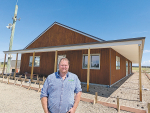
A brand-spanking new administration building will greet visitors to this year's South Island Agricultural Field Days (SIAFD) at Kirwee.
Alliance Group has secured greater access for chilled beef exports to China, following approval for two of its processing plants to supply the market.
There's been a dramatic and larger than expected drop in the number of lambs produced in New Zealand.
Beef + Lamb New Zealand (B+LNZ) says recent criticism from the UK’s Secretary of State for Environment, Food and Rural Affairs regarding New Zealand’s animal welfare standards are unfounded.


OPINION: There could hardly be a more appropriate theme for a conference than the one chosen by the red meat sector - Navigating Volatility.
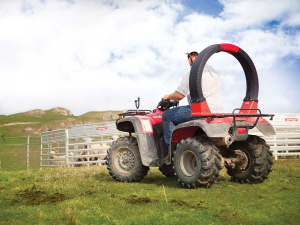
When Northland leather worker Vernon Suckling started making horse saddles 50 years ago, quad bikes and side-by-side vehicles were unheard of.
Alliance Group has confirmed that eligible farmer-shareholders who supply and continue to back the business will receive up to $20 million later this year, following the strategic investment partnership with Dawn Meats.
With a general election under five weeks away, Rural News is asking major political parties about their policies and positions on key issues facing the primary sector. We will run their responses to each question over the next four weeks. The ACT Party and the Greens didn't respond in time.
The red meat sector is in great heart.
Dr Scott Champion, Foundation for Arable Research chief executive, says that everyone in the supply chain had a role to play in driving the sector's long-term success.




OPINION: The same mainstream media muppets that brought you Jacindamania in 2017 have been flat out pimping for the Opportunities…
OPINION: Your old mate reckons the atrocious way farmers in the UK are treated by their lords and masters in…