Comments made by Deputy Prime Minister Bill English in relation to the suitability and work ethic of some young New Zealanders is, unfortunately, correct.
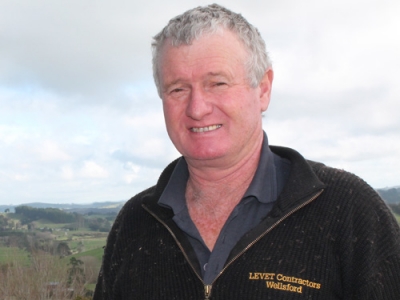
This is the message from Rural Contractors NZ (RCNZ) president Steve Levet.
Levet was commenting on English's recent remarks to a Federated Farmers meeting, saying there's a proportion of the work force that won't work and are "pretty damn hopeless".
"Bill English is right when he says that some younger New Zealanders, when offered the chance for work, won't take it, can't pass drug tests, or don't have an appropriate drivers licence," Levet says.
"Ask any rural contractor about some of the experiences they have had in trying to get people to fill vacancies in our sector over the years, and you will hear the same kind of comments that Mr English has.
"Every year, in many parts of the country, it's often impossible for rural contractors to find skilled New Zealanders who want to carry out this seasonal work," he explains. "That's why it is necessary for us to look overseas to find experienced people to fill this need."
Levet says Rural Contractors NZ has worked alongside the Ministry of Social Development in developing opportunities to employ young New Zealanders, but many of the applicants MSD tries to fill these vacancies with; either do not have the right skill-set and/or attitude to be successful.
"RCNZ will continue to work closely with the Government, political parties and officials to ensure that locals have the best opportunity for employment in our industry," he adds.
"But the reality is that the agricultural contacting sector – like many others – relies on overseas workers to fill a gap that is not met by locals – some of whom are unwilling to take on these vacancies."