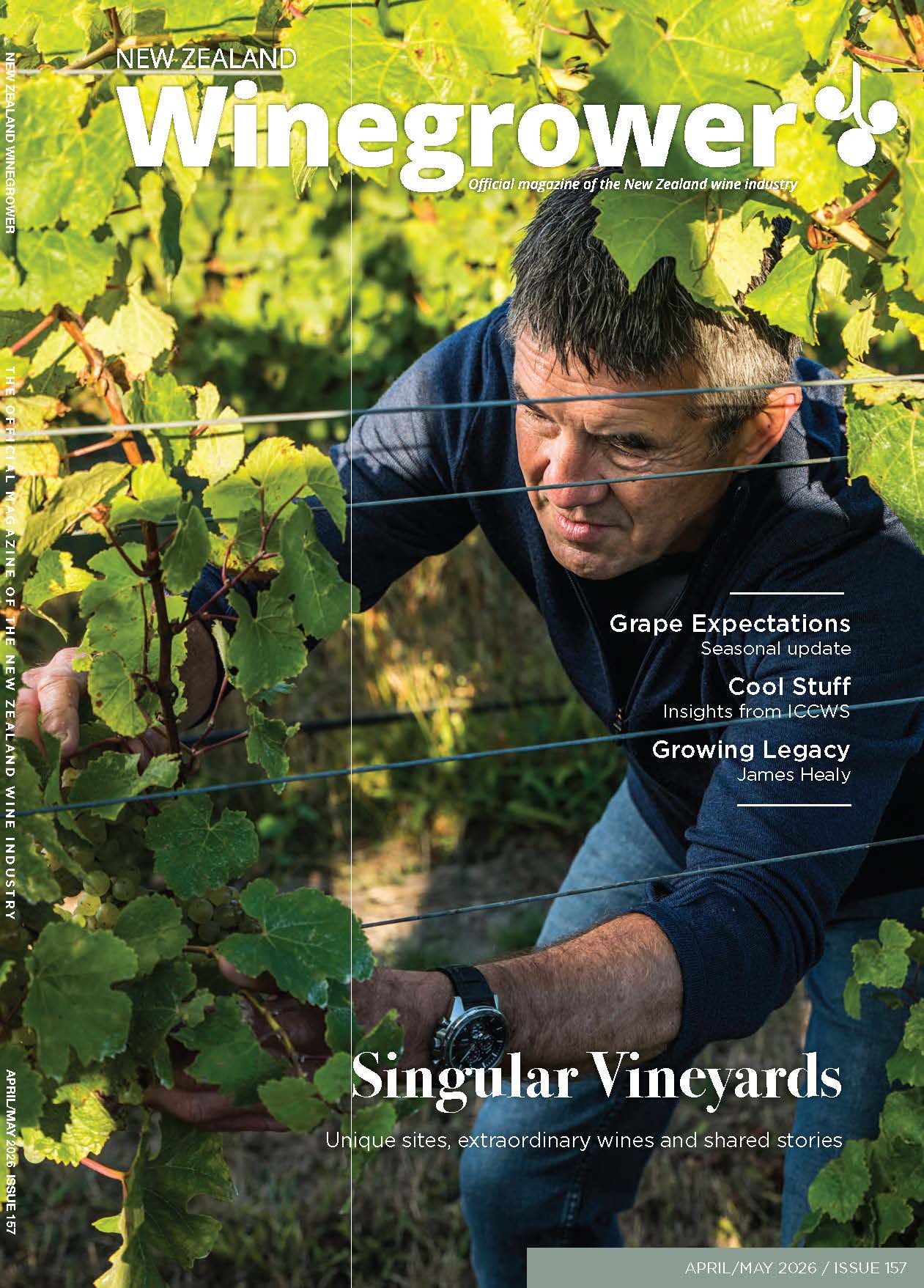
Going gaga
She wears skin and meat every day, is known as Lady Gaga and is the top performer among her peers.




 increase font size

With 'cow pooling' in the spotlight following TV One's Sunday programme, Federated Farmers Rural Butchers believes it has a role to play in reconnecting the public to their food.
"From what I saw on Sunday last night, 'cow pooling' seemed legitimate," says Mike Hanson, Federated Farmers Rural Butchers chairperson.
"The impression I got was that people owned the farm animal and had it processed through a licensed abattoir. If that's the case the meat is legitimate. So much so, they'll even pay a Beef+Lamb NZ levy on it.
"By dealing direct with the farmer and then through a licensed abattoir, consumers seem to be bypassing the supermarket end. The farmer arguably gets more for their stock while the licensed abattoir gets increased volume.
"That's much different from homekill, which also featured last night. Homekill falls under the Animal Products Act 1999 and is legislation we feel works well. We'd be concerned if there was a move to tighten rules because doing so could fuel the trade in black market meat.
"I guess you need to ask yourself if homekill is really for you. It's only an option for those people who want to be actively involved with the animal they'll end up consuming.
"If you aren't a farmer or farm worker, the Animal Products Act states that you must be actively engaged in the 'day-to-day maintenance' of an animal for 28-days before it is processed.
"That said, it's potentially a good way to reconnect people to where their food actually comes from.
"That connection is important when the Sunday Star Times quizzed 21 primary students; all believing cotton socks came from animals. Some thought scrambled eggs came from plants and most were convinced yoghurt grew on trees.
"Rural Butchers are qualified to humanely dispatch animals in a relaxed and natural setting for the animal. We've got the equipment and skills to professionally and safely process the animal into whatever cuts the customer desires.
"A number of our members are dual operators, meaning they can process homekill on retail premises. Being professionals regulated by the NZ Food Safety Authority, we know what to look out for. If things aren't right we won't process meat for human consumption.
"What Sunday's 'cow pooling' story tells us, is a growing number of people want to deal direct and have a connection to the meat they eat. Somehow, I don't think this is a fad," Mr Hanson concluded.
She wears skin and meat every day, is known as Lady Gaga and is the top performer among her peers.
FACIAL ECZEMA (FE) is a disease which causes lowered production and sometimes death from liver damage.
A Morrinsville farmer has been fined more than $33,000 for illegally discharging dairy effluent into the environment. The volume of effluent was such that cows' udders were dragging in it.
FARMERS CAN make an extra $200 a beast by cow pooling, while the purchaser gets cheaper meat, says Federated Farmers Rural Butchers chairperson Mike Hanson.
The recent coverage of 'cow pooling' has raised the profile of home killed meat as a viable method for consumers to attain cheaper meat.



Āta Regenerative is bringing international expertise to New Zealand to help farmers respond to growing soil and water challenges, as environmental monitoring identifies declining ecosystem function and reduced water-holding capacity across farms.
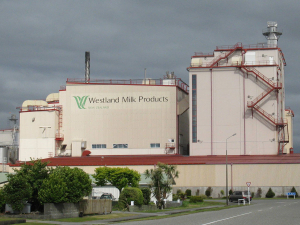
Yili's New Zealand businesses have reported record profits following a major organisational and strategic transformation.
Owners and lessees of certain Hino Trucks New Zealand diesel vehicles have just 10 days remaining to register or opt out of a proposed $10.9 million class action settlement.
Silver Fern Farms has successfully produced and delivered 90 tonnes of premium chilled New Zealand lamb and beef to the United Arab Emirates via airfreight.
For the first three months of 2026, new tractor deliveries saw an increase over the previous two months, resulting in year-to-date deliveries climbing to 649 units - around 5% ahead of the same period in 2025.
QU Dongyu, director-general of the Food and Agriculture Organization of the United Nations (FAO), has issued a warning saying that global fertiliser scarcity caused by disruptions in the Strait of Hormuz will lead to lower yields and tightening food supplies into 2027.





OPINION: When Donald Trump returned to the White House, many people with half a brain could see the results for…
OPINION: Media trust has tanked because of what media's more woke members do and say.