The New Zealand Rural General Practice Network is calling for the urgent establishment of rural testing stations in the face of the COVID-19 pandemic.
It believes this is necessary to cater for not only locals, but also an influx of out-of-towners flooding rural and regional NZ during the lockdown.
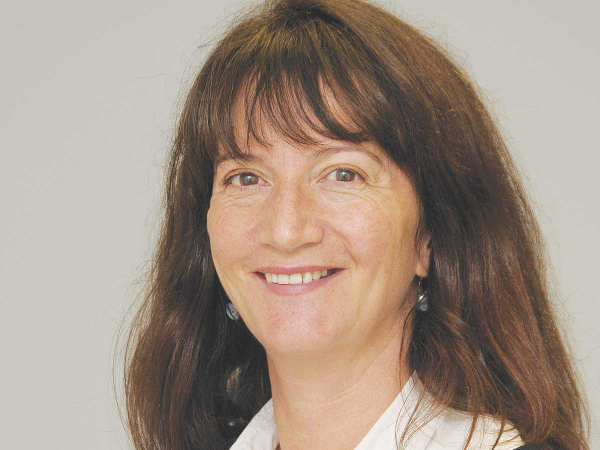
NZRGPN chair and rural GP Dr Fiona Bolden says feedback from rural practices is that there is already a huge influx of people coming from cities to their beach baches and rural getaways.
Bolden is calling on the Government and DHBs with support from Civil Defence and even the military to support setting up testing stations.
“We do not currently have capacity to manage our own populations particularly as our staff become unwell, let alone being able to manage this extra influx of people who may well be bringing COVID with them. We need people to understand that this is an isolation period not a holiday period,” she says.
“We are very concerned that this disease will just increase the current inequity for rural populations in terms of access to health.”
Bolden says there is an urgent need for testing stations to set up rurally so that testing can be done with minimal travelling for those impacted and reduce the risk to the local health practitioners and community.
“We especially need testing stations in low decile areas and areas with high elderly populations in rural areas.
“Things are changing quickly, and news is filtering through to the frontline very slowly. If we have any chance of controlling the impact this will have on our rural people and health services, we need to put much more support into the communities as soon as possible,” Bolden adds.
“Rural practitioners request the public not to move out to rural baches and to the beach to self-isolate as there are not the resources there to manage.”