
UK Warning
OPINION: Your old mate reckons the atrocious way farmers in the UK are treated by their lords and masters in Westminster is a salient warning for us.




 increase font size
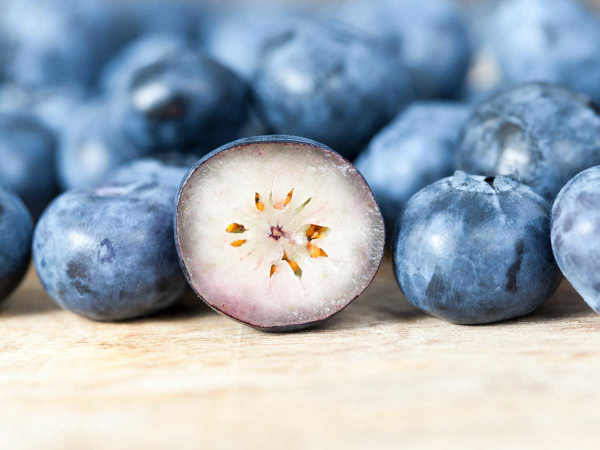 The standards would see fresh blueberries imported into New Zealand from Chile, Mexico, Morocco, Peru, and the United States.
New import standards could put New Zealand’s blueberry industry and the wider horticulture industry at risk.
That’s according to Blueberries New Zealand chair Trudy O’Halloran.
The standards, for which consultation closed earlier this month, would see fresh blueberries imported into New Zealand from Chile, Mexico, Morocco, Peru, and the United States.
O’Halloran says that the standards are not specific enough, claiming pests have been missed from the standards.
She says the standards will mean New Zealand’s blueberry growers are held to a higher standard than those importing into the country.
“It’s really unfair,” O’Halloran told Rural News, adding that the new standards would risk New Zealand’s biosecurity reputation.
“They put us at a higher risk of new pests and diseases,” she says, adding that if a new pest or disease were to enter the country it would have a “massive impact” on the wider horticulture sector.
That scenario could cost growers and taxpayers millions, O’Halloran says.
She says she has “no idea why” the Ministry for Primary Industries (MPI) has decided to introduce the standards now, adding that while her organization is “all for free trade”, the standards aren’t fit for purpose.
“We just want MPI to sit down… and work through the standards with us.”
Currently, New Zealand’s blueberry industry is valued at approximately $150 million, with aims to double that. It hires close to 4,000 seasonal workers.
Biosecurity New Zealand director, biosecurity import & export standards, Lisa Winthrop refutes the claims made by O’Halloran and Blueberries New Zealand.
She says Biosecurity New Zealand has engaged “extensively” with the industry for several years throughout the development of the proposed new import health standard.
“Since 2021, there have been multiple meetings with industry representatives – meetings that have included presentations, workshops, and provision of technical information that supported our IHS proposals,” Winthrop told Rural News.
She says responses were provided to questions throughout that period as well as additional information and materials when they were requested by the industry during the consultation period.
Winthrop points out that while consultation opened on 31st March, 2026, it was extended twice meaning stakeholders had more than ten weeks to consider and respond to the proposal.
Biosecurity protections remain a priority
“We are extremely thorough in assessing pest and disease risks and set a high level of pest and disease protection for imported produce,” she says.
“The risk assessment underpinning the draft blueberry IHS has been comprehensive and consistent with international best practice; pests associated with the blueberry pathway have been systematically identified and assessed; and robust phytosanitary measures have been specified to manage identified risks.”
Winthrop says that the country’s freedom from economically significant pests, such as fruit flies, is a “core consideration” that informs the approach to fresh produce imports.
“The proposed IHS includes stringent measures to manage these risks, consistent with those applied successfully across other fresh fruit import pathways.”
At the same time, New Zealand’s ability to protect its biosecurity system and maintain access to export markets depends on applying a consistent, evidence-based approach to both imports and exports in accordance with our international obligations. This consistency is a fundamental part of how we protect our long-term interests as a trading nation,” she concludes.
OPINION: Your old mate reckons the atrocious way farmers in the UK are treated by their lords and masters in Westminster is a salient warning for us.

Blueberry growers are warning that fresh imports could pose a huge biosecurity risk for NZ’s horticulture sector.
Biosecurity New Zealand says Kiwis should continue to keep an eye out for yellow-legged hornets (Vespa velutina) over the holiday season.
Biosecurity New Zealand is intensifying its campaign to locate and eliminate the invasive yellow-legged hornet, following confirmed detections on Auckland's North Shore.
Biosecurity New Zealand says that more officers, detector dogs, and airport hosts, accompanied by an enhanced public awareness campaign, will bolster New Zealand’s biosecurity protections this summer.


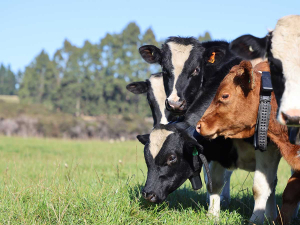
High country stations, mixed sheep and beef farms, Māori-owned farms, corporates and family operations are among the nine commercial farms taking part in the Livestock Innovation Farming Transformation programme, known as LIFT.
OPINION: New health and safety guidance unveiled by the Government recently provides farmers greater certainty about what is expected of them when managing risks on farm.
The National Animal Welfare Advisory Committee (NAWAC) is seeking public feedback on proposed changes to the Code of Welfare for Rodeos.
A New Zealand initiative supporting farmers to restore the health of grazing landscapes has received international backing through the Regenerative Fund for Nature, a global collaborative fund supporting regenerative agriculture and the communities that produce natural fibres for the fashion industry.
Combine premium New Zealand products, blend in a family ritual and what do you get? A world-class functional drink.
Entries are now open across eleven regions for the 2027 New Zealand Dairy Industry Awards (NZDIA).




OPINION: The same mainstream media muppets that brought you Jacindamania in 2017 have been flat out pimping for the Opportunities…
OPINION: Your old mate reckons the atrocious way farmers in the UK are treated by their lords and masters in…




