
Nothing for our most productive sector in Budget — National
Budget 2020 hasn’t provided anything of note for the primary sector at a time when it is leading our nation’s rebuild, National’s Agriculture spokesperson Todd Muller says.




 increase font size

There are a number of small pockets of money allocated to specific rural initiatives in the budget announced by Finance Minister Grant Robertson on Thursday.
The projects include:
$20 million to ease impacts on Covid-19 on rural and fishing communities
$15 million develop a system of marketing fresh fruit and vegetables that aren’t being bought by supermarkets to ensure they don’t go to waste in the Covid environment
$19.3 million over four years to be to be spent on a range of initiatives to help people who have recently been made unemployed access to training and work opportunities in the private sector.
$1.1 billion to be spent on creating 11,000 environmental jobs in regions. This includes controlling wallabies, wilding pines and other pest eradication mainly within the DOC estate.
Naturally rural communities will benefit from some of the other social spending outlined in the budget. It is also fair to state that the Government has announced other initiatives in regards to the drought over recent weeks.
But while there is emphasis on training people for rural jobs and that’s great, the other half of the equation is missing – connectivity. It has been said by industry leaders over and over again that people are put off locating to rural areas because of the lack of broadband. Great to train people, sure, but if you can’t get cell coverage or fast reliable broadband, the dole might still be an attractive option.
From what I can see there wasn’t a dollar offered up for this in the budget. The budget has a Wellington-centric ring about it. Earlier today, the President of Federated Farmers told a group of agricultural journalists that one of the disappointments during her presidency is the lack of understanding by Wellington officials of rural issues.
The failure by successive governments to seriously invest in rural broadband is dumb and now with Covid-19, quality connectivity is more essential than ever. Industry good organisations, educators, health professional and businesses who deal with rural communities are being kneecapped by the lack connectivity. How come they can see the problem, when the Wellington bureaucracy and their political masters appear to be so out of touch with reality?
Budget 2020 hasn’t provided anything of note for the primary sector at a time when it is leading our nation’s rebuild, National’s Agriculture spokesperson Todd Muller says.

Budget 2020 makes major investments in the primary sector that will support more than 10,000 people into jobs, claims Agriculture Minister Damien O’Connor.
Agricultural Minister Damien O’Connor claims at least 2000 farmers will be helped with on-the-ground support to lift their environmental sustainability as part of Budget 2019 funding.
Environment Minister David Parker recently told a Forest & Bird meeting about the Productive and Sustainable Land Use package unveiled in the Budget. Here are excerpts from his speech.
Now that the circus surrounding the Budget’s release has subsided, Milking It makes the following observations about some of its contents.


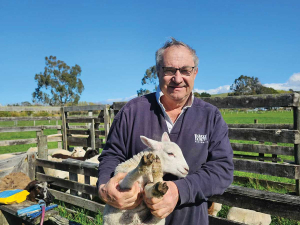
Decades piloting planes has ensured vet and farmer David Hayes is focused on safety. So, after a serious accident while welding on farm, he is sharing his experience so others can learn from it.

Canterbury milk processor, Synlait Milk has confirmed Leon Fung as its chief executive officer.
OPINION: Making it easier to collect rainwater and use it to grow crops and livestock is a no brainer.
As part of its Election 2026 coverage, Rural News asked political parties how they would help pull the arable sector out of the doldrums. Here's what they said:
Farmers are being encouraged to rethink how they manage waste on farm with the launch of ruralwastesorted.co.nz, a new website bringing together practical tips, real farmer experiences and resources.
New Zealand Winegrowers (NZW) is celebrating the India-New Zealand Free Trade Agreement (FTA) coming into force today, bringing New Zealand wine improved access to one of the world’s fastest-growing economies.



OPINION: The same mainstream media muppets that brought you Jacindamania in 2017 have been flat out pimping for the Opportunities…
OPINION: Your old mate reckons the atrocious way farmers in the UK are treated by their lords and masters in…




